Hot Springs And Northern Lights In Iceland: Which Lagoon Has The Darkest Sky
The aurora wish is the easy part. The real decision is which lagoon to book: one that closes at seven in the evening, or one still open at midnight under a sky far from any town's glow. Here is how the venues actually compare.
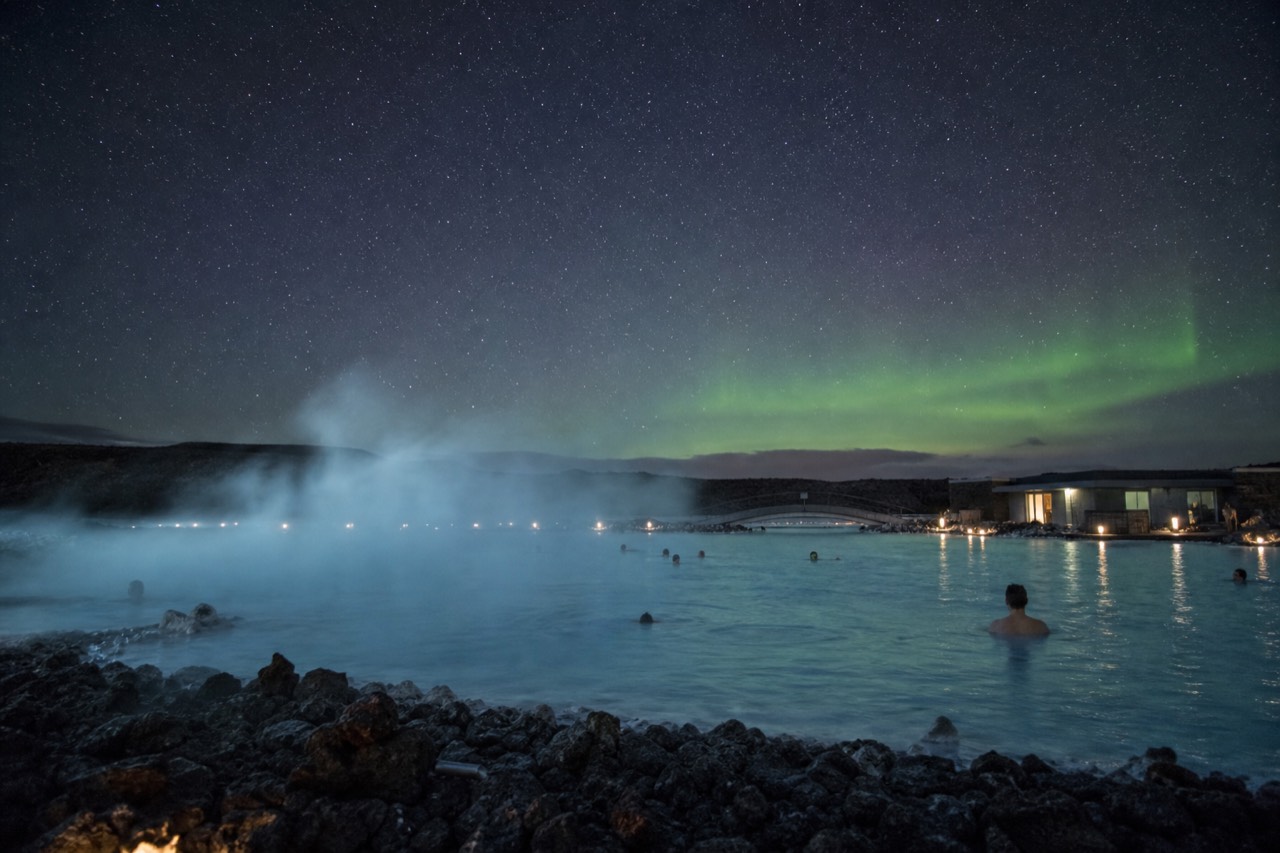
Short answer
Iceland's official aurora season runs September to April, and the official position is that sightings are never guaranteed. For a lagoon visit, the practical math is closing time plus darkness: Vök Baths, Earth Lagoon Mývatn and Forest Lagoon all stay open until 22:00 or later and sit well away from large towns, while Sky Lagoon closes at 21:00 in winter and Secret Lagoon at 19:00.
Which Icelandic Lagoons Work For A Northern Lights Trip?
For a northern lights trip, your best bets are lagoons with late closing times and dark, open skies: Forest Lagoon in Akureyri stays open until midnight, and Mývatn offers open highland darkness. Secret Lagoon closes at 19:00 in winter, limiting evening aurora viewing, while the Kópavogur lagoon sits at a city-edge car park with more light pollution. Since Business Iceland promises no guarantees of seeing the lights, the venue you choose is what you can control.
The wish and the booking are two different problems. Almost every visitor to Iceland between September and April hopes to see the aurora borealis, and the official travel guide frames the season honestly: darkness and clear skies are the first requirement, solar wind activity above normal is the second, and sightings improve away from populated areas and the light pollution of the capital. Neither condition is something a lagoon can sell you.
What a lagoon can give you is a warm place to wait, at an hour when the sky is dark, under as little artificial light as possible. That is a booking decision, and it is made from three published numbers: the venue's closing time, its distance from the nearest town, and how open its sky is to the north where the displays usually appear.
This guide works through those three numbers for every major geothermal lagoon in the country. The short version, developed in full below: the three rural venues, Vök Baths in the east, Earth Lagoon Mývatn in the north and Forest Lagoon above Akureyri, beat the two famous capital-area lagoons on both darkness and closing time, and the page explains exactly why.
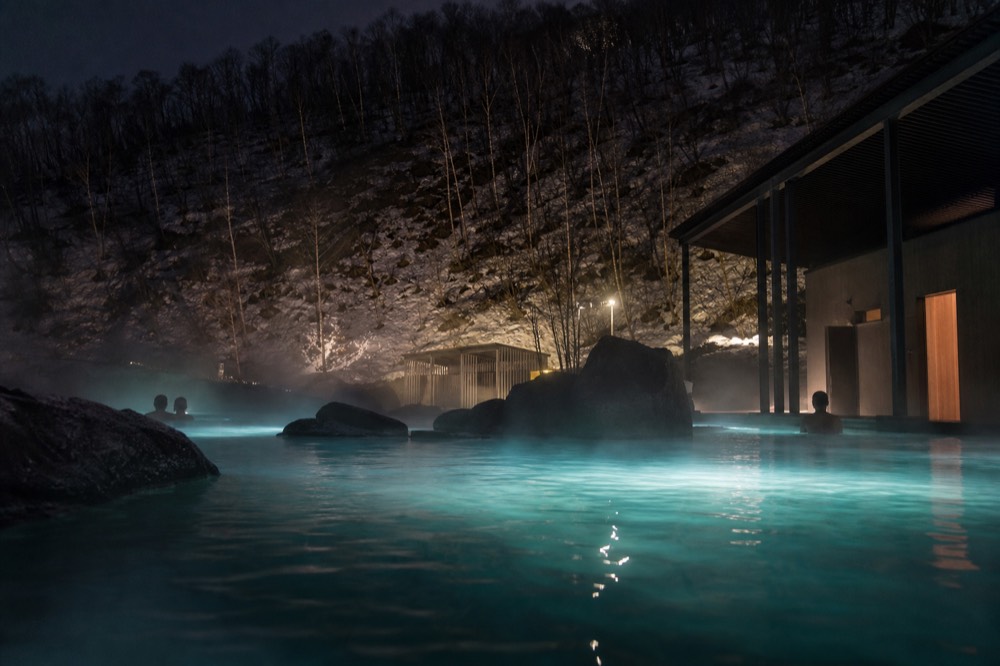
What The Official Guidance Actually Promises
Business Iceland's position is that the season runs September to April, that activity is said to be strongest around the equinoxes in September and March, and that there are no guarantees of a sighting on any given night or trip. The Icelandic Meteorological Office publishes an aurora forecast with a six-day outlook and cloud cover overlays, which is the tool to check on the day. No venue can promise a display.
The useful parts of the official framing are the parts you can plan around. Darkness and clear skies come first, with openings in the cloud cover preferably towards the north. Solar wind activity above normal comes second. The lights can appear at any time of day or night, all year round, but activity is usually strongest around midnight and a few hours either side of it.
That midnight peak matters more than most visitors realise, because it collides with closing times. A lagoon that empties at 19:00 has handed you back to a cold car park three hours before the statistically strongest window opens. A lagoon open until 22:00 or later keeps you in warm water inside the window itself.
The forecasting side is genuinely good in Iceland. The Met Office aurora page carries a six-day outlook with low and mid-level cloud overlays, and Business Iceland points to it and Auroraforecast.is as the places to check conditions. Check the forecast on the day, not the month before, because cloud cover decides everything.
Closing Times: Which Lagoons Are Still Open After Dark?
Forest Lagoon in Akureyri stays open latest, running until midnight with guests out by 23:30, making it the only lagoon where you can soak through the strongest part of the aurora window. Vök Baths and Earth Lagoon Mývatn close at 22:00, Krauma and Fontana at 21:00, Sky Lagoon at 21:00 in winter, Hvammsvík at 20:30 in winter, and Secret Lagoon at 19:00 in the winter season.
Winter, meaning roughly October through March, is when this matters, because that is when darkness arrives early enough for a lagoon visit to overlap with it at all. Each venue publishes its hours, and the differences are large enough to decide an itinerary on their own.
Blue Lagoon publishes seasonal hours on Reykjanes: 08:00 to 20:00 from February through May, 08:00 to 22:00 from late August through January, and 07:00 to 23:00 in high summer. Sky Lagoon's published winter block, October 21 to April 30, is 10 a.m. to 9 p.m., with guests asked to leave the lagoon 30 minutes before closing. Both are evening-capable but neither is a midnight venue.
The rural three go later. Vök Baths near Egilsstaðir runs 12:00 to 22:00 daily from mid-September to mid-June, with the last entrance 45 minutes before closing. Earth Lagoon Mývatn publishes daily hours of 12:00 to 22:00, with guests able to stay until 21:40 in wintertime and 22:40 in summertime. Forest Lagoon publishes hours to midnight, with last entry at 22:30 and all guests out of the baths by 23:30; the venue's own pages give two different opening times for the morning, so treat the closing end as the reliable figure.
| Lagoon | Published winter closing | Last entry or exit rule | Late-slot viability for aurora hours |
|---|---|---|---|
| Forest Lagoon, Akureyri | Midnight | Last entry 22:30, all out 23:30 | Strong: covers the midnight activity peak |
| Vök Baths, Egilsstaðir | 22:00 | Last entrance 45 min before closing | Good: late evening, rural sky |
| Earth Lagoon Mývatn | 22:00 (stay until 21:40 winter) | Hours may vary seasonally | Good: late evening, very dark region |
| Sky Lagoon, Kópavogur | 21:00 (winter block) | Leave lagoon 30 min before closing | Moderate: early evening, city edge |
| Krauma, Reykholt | 21:00 daily | Published daily hours | Moderate: rural but not late |
| Fontana, Laugarvatn | 21:00 daily | Walk-ins subject to availability | Moderate: village setting |
| Hvammsvík, Hvalfjörður | 20:30 winter, last entry 19:00 | Book in advance | Limited: early evening |
| Secret Lagoon, Flúðir | 19:00 winter season | Pre-booking highly recommended | Weak: closes before full dark in midwinter |
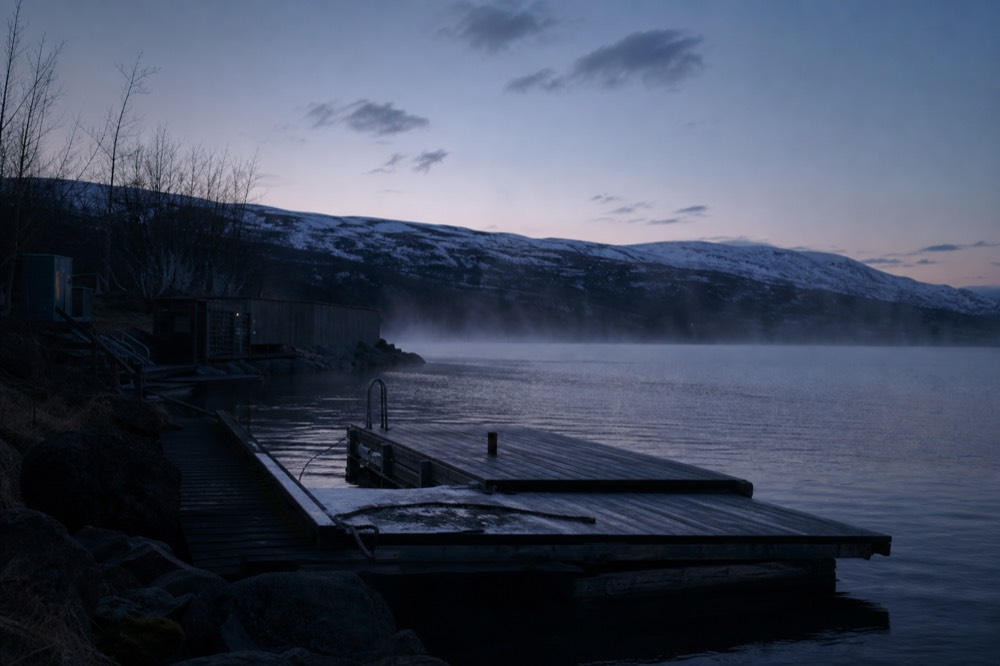
Darkness: How Far Is Each Lagoon From Town Lights?
The rural lagoons sit farthest from town lights: Vök Baths is a five-minute drive from downtown Egilsstaðir, Earth Lagoon Mývatn is roughly an hour's drive from Akureyri, and Hvammsvík is a 45-minute drive from Reykjavík on Hvalfjörður, while Sky Lagoon is just 13 minutes from the Reykjavík city centre, making it the closest to urban glow.
Light pollution is the second half of the official guidance. Business Iceland says sightings are greatly improved outside populated areas, especially away from the light pollution of the capital, which is a direct strike against the two most-booked venues for this specific purpose. It does not make them bad lagoons; it makes them the wrong tool for this particular wish.
The comparison is not subtle when you lay it out. Sky Lagoon's own getting-here page describes it as 13 minutes from the city centre, in Kópavogur, the capital's contiguous neighbour. Blue Lagoon is on the Reykjanes Peninsula, in a lava field beside the Svartsengi power plant, roughly 45 to 50 minutes from Reykjavík. Both have genuinely beautiful night skies by the standards of densely populated Europe. Neither has the sky of the east or the north.
The rural venues are different in kind, not degree. Vök Baths is 500 metres from Route 1 just northwest of Egilsstaðir, in a region where the next sizeable town is hours away by road. Earth Lagoon sits right on the ring road at Mývatn, 89 km from Akureyri by the venue's own figures, in one of the least light-polluted corners of the country. Forest Lagoon sits in Vaðlaheiði forest on the mountainside across the fjord from Akureyri, close enough for its free shuttle but facing away from the town.
| Lagoon | Nearest town, published distance | Sky exposure | Light pollution level |
|---|---|---|---|
| Vök Baths | Egilsstaðir, 5-minute drive | Open lake shore at Urriðavatn | Low, small town only |
| Earth Lagoon Mývatn | Akureyri 89 km, Egilsstaðir 164 km | Open volcanic lake region | Very low |
| Forest Lagoon | Akureyri, across the fjord | Mountainside above the town | Low, town below |
| Hvammsvík | Reykjavík, 45-minute drive on route 47 | Open fjord, mountain walls | Low-moderate |
| Krauma | Reykholt, rural west Iceland | River valley near Deildartunguhver | Low |
| Secret Lagoon | Flúðir, village setting | Flat geothermal field | Low-moderate |
| Fontana | Laugarvatn village, lakeshore | Open lake shore | Low-moderate |
| Blue Lagoon | Grindavík area, 45-50 min from Reykjavík | Lava field, plant lighting nearby | Moderate |
| Sky Lagoon | Kópavogur, 13 min from Reykjavík | Ocean-edge cliff terrace | Moderate-high, capital region |
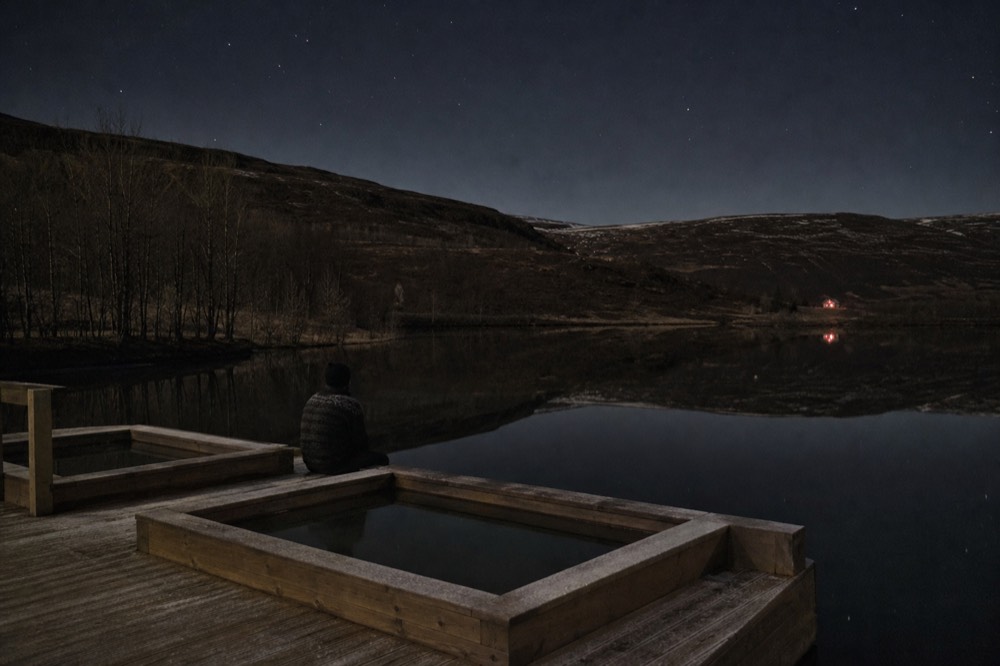
The Darkest Lagoon Near The Capital Area
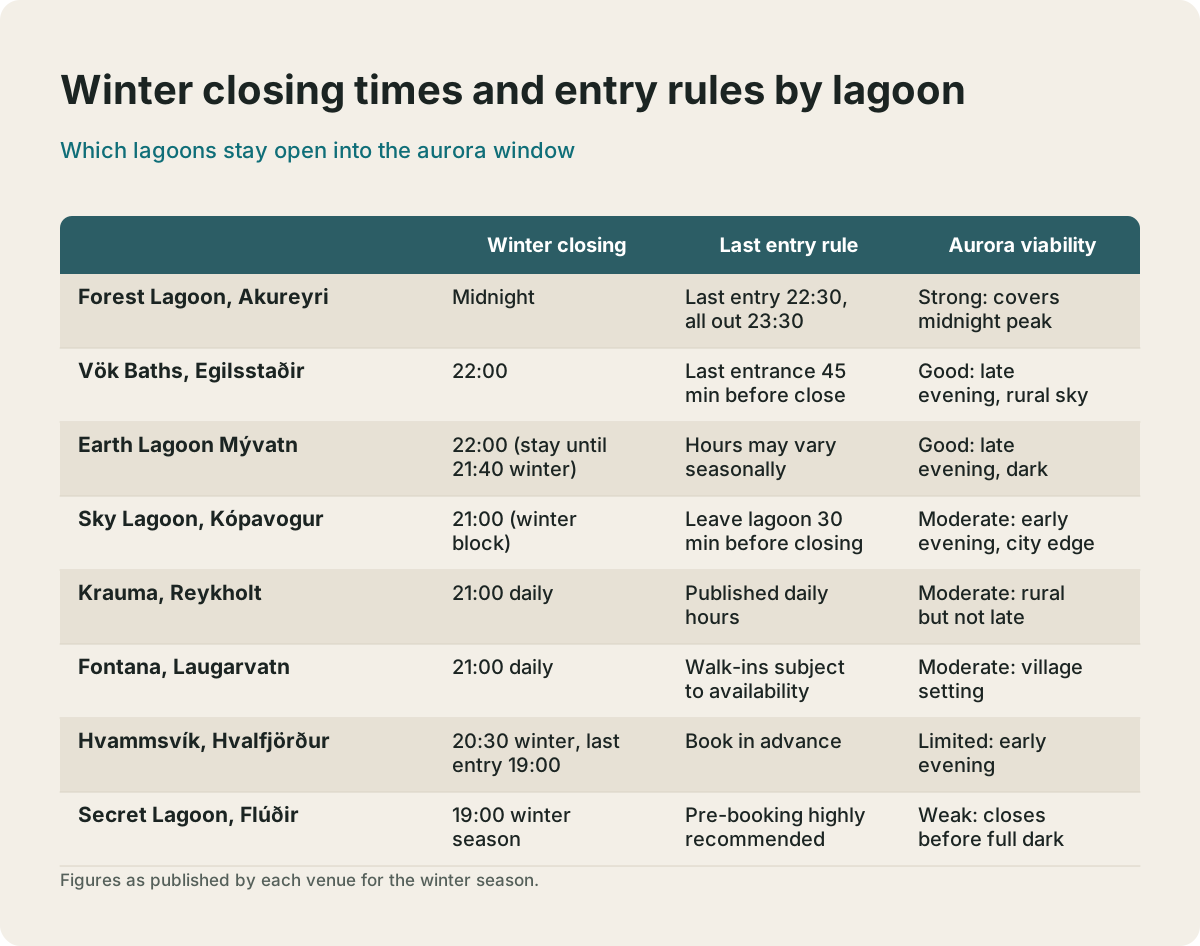
Hvammsvík Hot Springs is the best darkness compromise within reach of Reykjavík. It sits on route 47 on Hvalfjörður, a 45-minute drive from the city, where the fjord's mountain walls block most of the capital's glow and the venue's eight hot springs face open water rather than a street. Its winter hours run to 20:30 with last entry at 19:00, so it is an early-evening soak rather than a midnight vigil.
The venue publishes its position plainly: eight natural hot springs of various sizes and temperatures on the shore of Hvalfjörður, with a steam room, a newly built sauna and a cold plunge included with admission, plus paddle boarding and ocean swimming for the hardy. Guests must be 10 or older, and the venue asks everyone to book in advance to secure entry. The rest of the planning pages sit on Lagoons in Iceland.
The fjord does real optical work here. Hvalfjörður is a long, deep inlet enclosed by mountains, and by the time you are 20 kilometres down route 47 the Reykjavík light dome sits behind ridgelines rather than on your horizon. The venue's own distance figure is a 45-minute drive from the city centre, roughly 38 km from Akranes and 47 km from Þingvellir, which puts dark-sky conditions within an easy evening loop of the capital.
The honest limitation is the clock. Winter hours of 10:30 to 20:30 mean you are dressed and driving by half past eight, before the strongest aurora hours. The practical play is the soak first, then stay on the fjord road afterwards: the route back to Reykjavík has multiple dark pull-offs, and the Met Office forecast tells you whether the sky is worth lingering under. For the venue itself, see our Hvammsvík Hot Springs guide.
The East: Vök Baths Under The Darkest Region In The Country
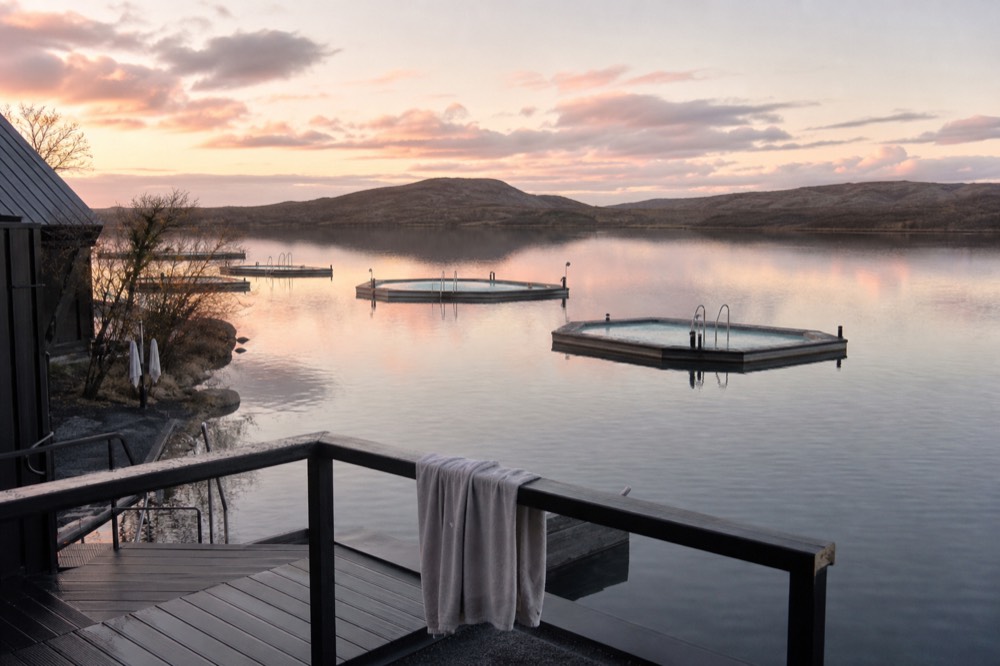
Vök Baths, 500 metres off Route 1 just northwest of Egilsstaðir, is the only paid lagoon in east Iceland and it sits in the country's least light-polluted region. Winter hours run 12:00 to 22:00 daily, with the last entrance 45 minutes before closing, so a 20:00 or 21:00 slot puts you in warm water late under a very dark sky. The floating pools sit out on Lake Urriðavatn itself.
East Iceland is empty in the way that matters for aurora hunting. Egilsstaðir is a small town, the surrounding region is thinly settled, and the drive west towards the highlands gets darker rather than brighter. Vök's own FAQ describes the setting: baths by Lake Urriðavatn, a five-minute drive from downtown Egilsstaðir, with a main pool and two floating pools reached over the water.
The venue publishes three admission tiers, starting with Slaka at ISK 7,690, a towel-inclusive tier above it, and a top tier adding a drink, and every admission includes a tisane at the tea bar. Water temperature is published as a range across the pools, with a cold plunge at the low end and warm pools at the top, and the water is described on the venue's FAQ as a clean natural hot spring with no chlorine, purity maintained through continuous flow.
Two practical notes from the venue's own pages. Walk-ins are not accepted from June 1 to August 31, so book ahead in summer, and children under 16 must be accompanied. For the full picture on the venue, read our Vök Baths in East Iceland guide.
The North: Earth Lagoon Mývatn And Forest Lagoon
Yes, the north delivers the best late-night aurora soaking in Iceland. Earth Lagoon Mývatn, 89 km from Akureyri in one of the country's darkest lake regions, runs from 12:00 to 22:00 with winter guests able to stay until 21:40. Forest Lagoon, perched above Akureyri, goes later still, admitting guests until 22:30 and closing at 23:30, making it the only lagoon whose water hours fully cover the midnight activity peak.
Earth Lagoon, formerly Mývatn Nature Baths, reopened on 27 July 2026 with expanded facilities, three admission tiers and a new steam cave, and its setting has not changed: Jarðbaðshólar beside the ring road, in a geothermal region where the nearest large town is an hour's drive away. The water comes from the Bjarnaflag borehole at around 130°C, cooled to 36-40°C, naturally alkaline and sulfur-rich with no chlorine or added disinfectants, per the venue's own pages.
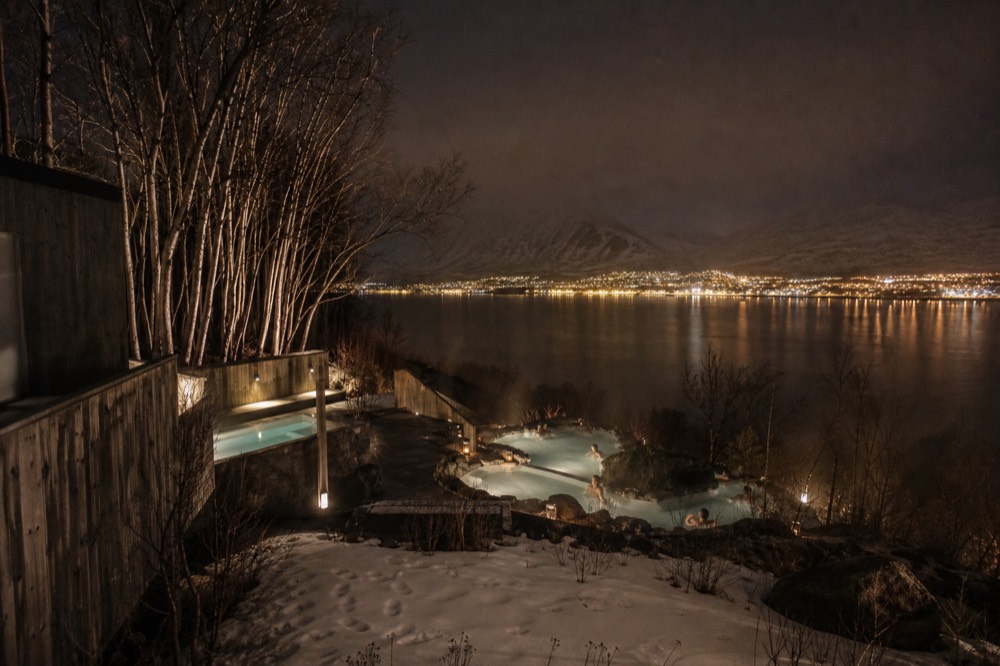
Forest Lagoon trades absolute darkness for a late clock. It sits in Vaðlaheiði forest on the mountainside across from Akureyri, reached by a free shuttle from the town centre and harbour, and its published schedule runs to midnight with all guests out of the baths at 23:30. Akureyri is a small city, so the light dome is modest, and the forested mountainside faces away from it. Children are welcome until 20:00, and the venue recommends guests do not stay longer than two hours.
The choice between them is a choice of emphasis. If the darkest possible sky is the priority, Mývatn wins: the region around the lake is emptier at night than almost anywhere on the ring road. If the strongest statistical hours are the priority, Forest Lagoon is the only venue still open at midnight. Our Mývatn lagoon guide covers the reopened venue in detail, and the Forest Lagoon guide covers the Akureyri option.
City-Edge Venues Versus Rural Ones: The Honest Comparison
If the aurora is the whole point, the rural lagoons win on the two numbers that matter: darkness and closing time. Sky Lagoon shuts at 21:00 in its winter block and sits just 13 minutes from the city centre in Kópavogur, while Blue Lagoon stays open until 22:00 from late August through January but its Reykjanes setting carries plant and airport lighting. Neither is a bad soak; both are simply the wrong optimisation for aurora chasing.
Say it plainly, because most first-time visitors book one of the two famous venues and then discover the timing problem on the night. The Sky Lagoon ritual pass, from $117 on the live listing, is a superb evening experience with an ocean-edge infinity edge and a seven-step ritual, and its 4.8 rating across 7,654 reviews reflects that. But the venue's own winter hours end at 9 p.m., with guests out of the water 30 minutes before closing, and its own pages place it minutes from the capital's light.
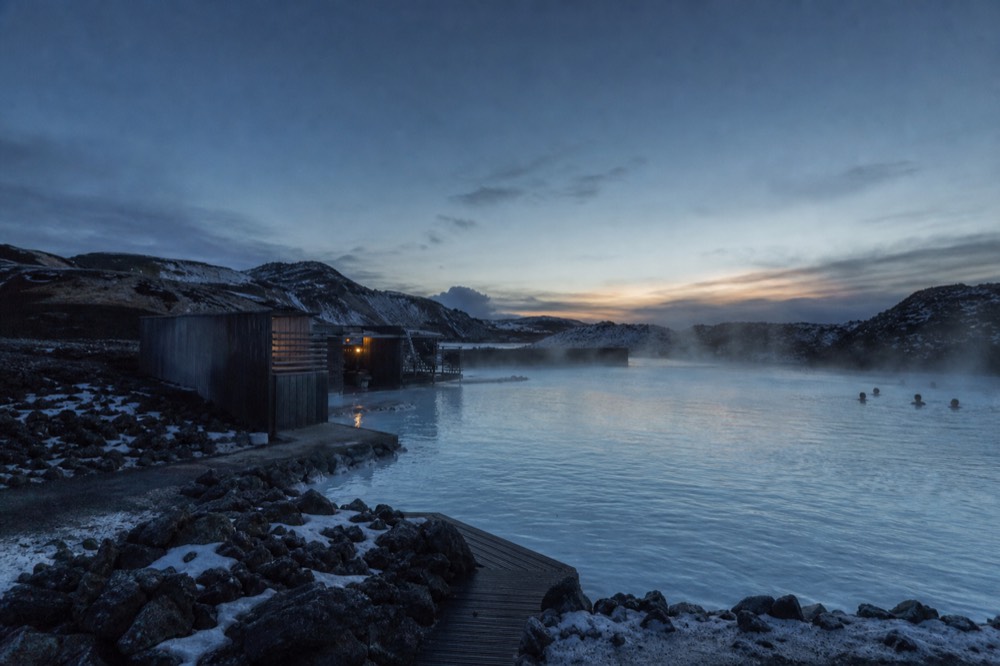
Blue Lagoon, from $146 for Comfort admission with a 4.6 rating across 6,220 reviews, is open later in winter, until 22:00 from late August through January. Its lava-field setting is atmospheric at night. But it sits beside the Svartsengi power plant on a peninsula that also hosts Keflavík International Airport, and the region is not the dark-sky candidate the east and north are. There is also a live volcanic situation on Reykjanes: the Icelandic Meteorological Office's assessment of 18 August 2026 reports slow, steady land uplift and low seismicity at Svartsengi, with the hazard assessment valid until 30 September, and anyone booking should check bluelagoon.com and safetravel.is close to the date. Our is the Blue Lagoon safe from the volcano piece covers that situation in detail.
The pattern generalises. The venues that photograph best in daylight brochures are, mostly, the venues closest to where the people and the lights are. The venues with the darkest skies and the latest hours are the ones that require a ring-road itinerary to reach, which is exactly why they are quieter at 21:00 in February.
| Venue | From-price on the live listing | Rating and reviews | Winter closing | Sky |
|---|---|---|---|---|
| Hvammsvík | from $84 | 4.8, 313 reviews | 20:30 | Dark fjord |
| Vök Baths | from $64 | 4.7, 427 reviews | 22:00 | Very dark lake region |
| Earth Lagoon Mývatn | from $64 | 4.5, 2,225 reviews | 22:00 | Very dark lake region |
| Forest Lagoon | from $81 | 4.7, 666 reviews | 23:30 exit | Dark mountainside |
| Sky Lagoon | from $117 | 4.8, 7,654 reviews | 21:00 | City edge |
| Blue Lagoon | from $146 | 4.6, 6,220 reviews | 22:00 | Moderate, plant lighting |
Which Venues Sell A Late Slot At All?
Not every lagoon sells an evening slot in winter, and the differences are structural. Vök Baths does not accept walk-ins from June through August, Forest Lagoon warns that guests who have not pre-booked do not have guaranteed entry, and Blue Lagoon states that pre-booking is essential because entry is generally fully booked throughout the year. In aurora season, the late slot is the scarce product, and it goes to whoever booked it.
The booking mechanics matter as much as the hours. A venue that is technically open until 22:00 is useless to you if its 20:00 slot sold out a fortnight ago, and Iceland's lagoons sell out in winter precisely because the season is short and the demand is concentrated. The venues' own words on this are consistent: book ahead, arrive in your ticket's window, and expect the late slots to go first.
Vök Baths is the clearest case: its FAQ states that tickets are limited for each entrance time and walk-ins are not accepted from June 1 to August 31, with online booking highly advised year-round. Forest Lagoon recommends an online reservation and says outright that unbooked guests have no guaranteed entry; its cancellation terms allow a change or refund as a gift card with more than 24 hours' notice. Earth Lagoon welcomes walk-ins subject to locker availability but recommends booking in advance.
One more mechanic worth knowing: several venues' tickets are tied to a date and time rather than an open day. Sky Lagoon's terms state that your ticket grants entry at a certain date and time, and if you leave the premises after entering, the ticket is no longer valid. You cannot, in other words, buy a cheap afternoon slot and simply stay until closing. Plan the slot you actually want.
How To Plan The Evening On The Night Itself
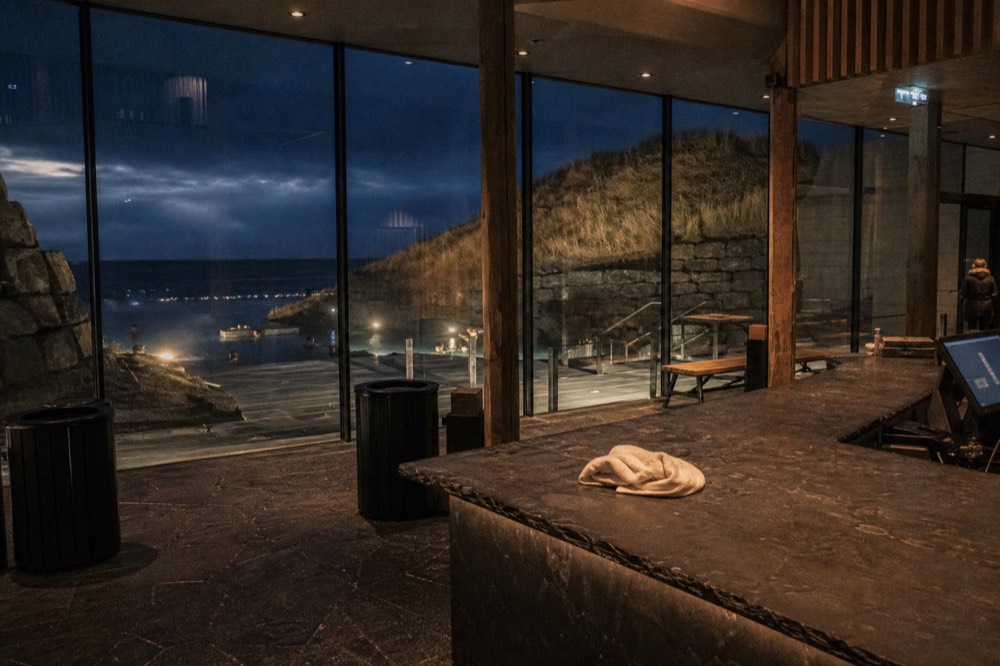
Check the aurora forecast and cloud cover on the day itself, book the latest slot your chosen lagoon still has available, and keep a dark roadside pull-off as a backup, since no venue can promise a display. Aim for a 20:00 or 21:00 entry at a venue open until 22:00 or later, because the lights are strongest around midnight and a few hours either side.
The forecast decides the geography. If the six-day outlook shows clear skies over the east, the Vök Baths evening writes itself; if the north is clear, Mývatn or Akureyri; if only the southwest is open, Hvammsvík or a Reykjanes soak is the honest fallback, and the capital's own dark spots beat a cloudy rural drive. Cloud cover, not solar activity, is the usual spoiler, which is why the Met Office page overlays both.
Dress for the standing-around part. You will be warm in the water and cold on the pool deck within a minute of leaving it, and the aurora rewards patience more than it rewards swimming. Iceland's official safety guidance applies everywhere: check conditions on safetravel.is, respect signs and fences, and remember that icy pool decks and dark rural roads carry more real risk than anything in the sky. The emergency number is 112.
Finally, hold the plan loosely. Business Iceland's own line, that there are no guarantees, is not a disclaimer bolted onto the experience; it is the experience. A late soak under a clear starfield with no aurora is still one of the better evenings Iceland offers, and a venue chosen for its darkness and its closing time costs you nothing if the sky stays empty. That is the whole argument of this page: book the venue that gives the aurora its best chance, then enjoy the water regardless.
Common Questions About Hot Springs And Northern Lights In Iceland
Can you see the northern lights from Iceland's lagoons?
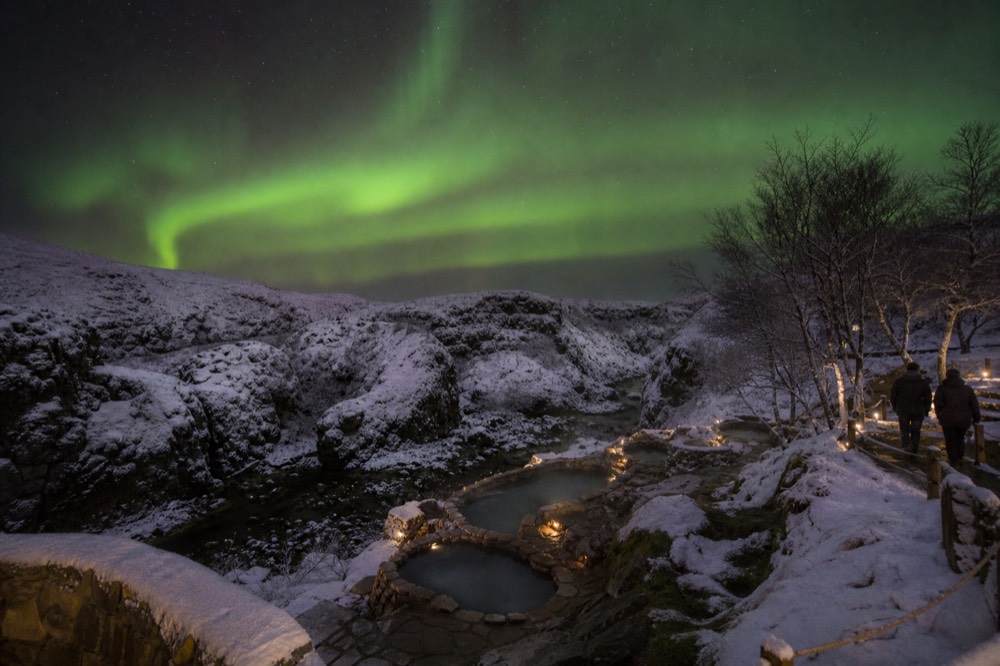
It depends entirely on darkness, cloud cover and luck, and the official position is that there are no guarantees on any given night. Venues with dark rural skies and late closing times, such as Vök Baths, Earth Lagoon Mývatn and Forest Lagoon, give a display its best chance if one occurs. No source supports promising a sighting from inside any specific lagoon.
Which lagoon stays open latest in winter?
Forest Lagoon in Akureyri publishes hours to midnight, with last entry at 22:30 and all guests out of the baths by 23:30. Vök Baths and Earth Lagoon Mývatn both close at 22:00. Sky Lagoon closes at 21:00 in its winter block and Secret Lagoon at 19:00 in the winter season.
When is northern lights season in Iceland?
The official season runs from September to April, according to Business Iceland, with activity said to be most active around the equinoxes in September and March. Darkness and clear skies are the first requirement, and sightings improve outside populated areas.
Is Blue Lagoon or Sky Lagoon better for the northern lights?
Neither is optimised for it. Sky Lagoon sits 13 minutes from the Reykjavík city centre and closes at 21:00 in winter; Blue Lagoon sits beside the Svartsengi plant on Reykjanes with winter hours to 22:00. Both are excellent lagoons, but the rural venues offer darker skies and later hours for an aurora evening.
What time of night is best for the northern lights?
The official guidance says activity is usually strongest around midnight and a few hours before and after. Since most lagoons close at 21:00 or 22:00, the practical move is the latest available slot, or a soak followed by a dark roadside stop afterwards.
Where should I check the aurora forecast in Iceland?
The Icelandic Meteorological Office publishes an aurora forecast with low and mid-level cloud overlays and a six-day outlook, and Business Iceland also points to Auroraforecast.is. Check on the day rather than weeks ahead, because cloud cover decides the outcome.