Blue Lagoon Opening Status, Closures And Rebooking Explained
The Blue Lagoon publishes that it is open every day of the year, and no closure notice stands today. Here is what is verified, how closures have actually worked, and what to do with your booking.
Short answer
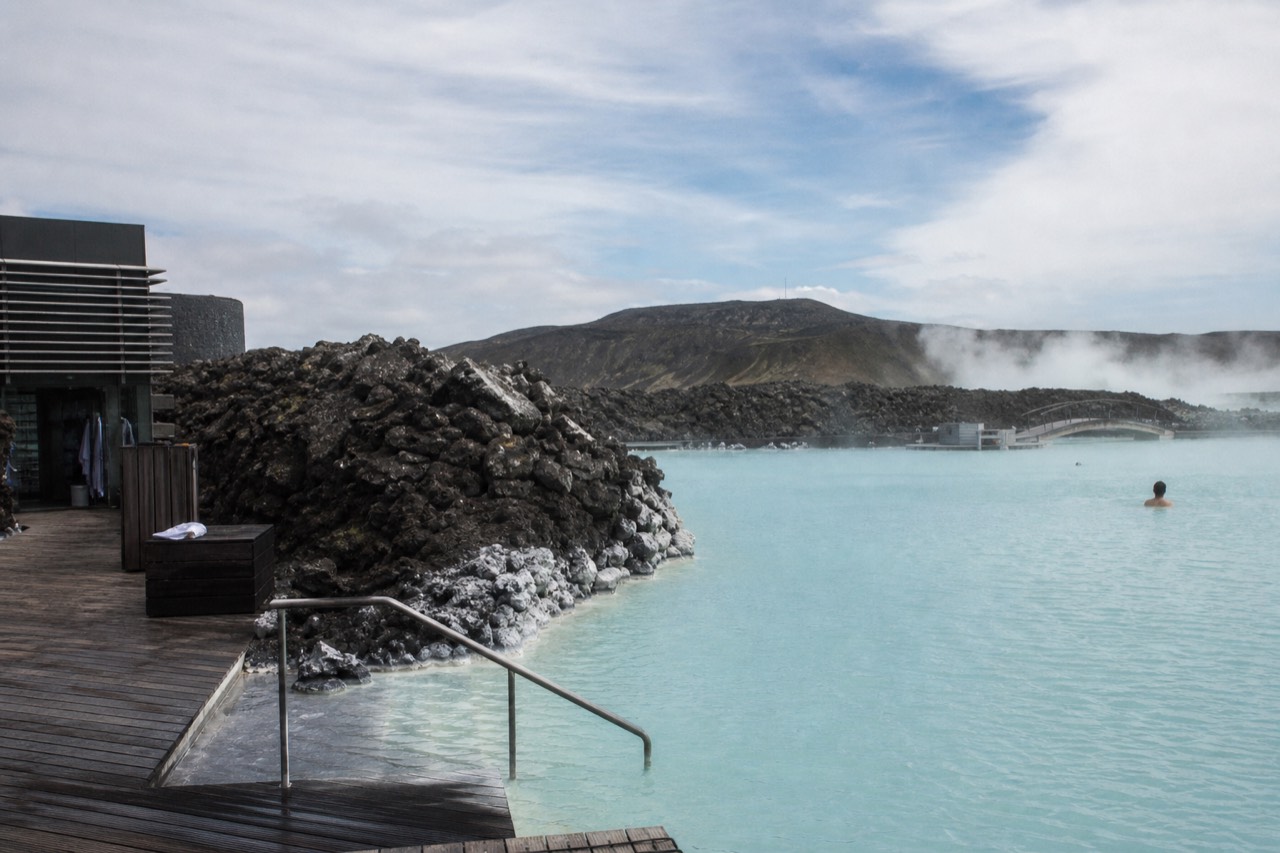
Yes, the Blue Lagoon is open. Its own opening-hours page states it is open every day of the year, and no closure notice appears anywhere on the page. It sits beside an active volcanic system, so check bluelagoon.com and safetravel.is close to your date. If it closes at short notice, tickets are typically moved or refunded through the live listing.
Is The Blue Lagoon Open Right Now?
Yes. The Blue Lagoon is open, and it publishes that it opens every day of the year. Its own opening-hours page states this directly, and no closure notice, status banner or volcanic alert appears anywhere on that page. The venue changes its hours with the seasons, but the open-every-day statement is the venue's own standing position, and nothing on its site contradicts it today.
That is the verified answer as of the research behind this page, and it comes from the venue itself rather than from a news summary or a travel forum. Blue Lagoon's opening-hours page says, in its own words, "We are open every day of the year," and its plan-your-visit pages repeat that the lagoon operates 365 days a year with seasonal hours. The same pages carry practical booking rules: pre-booking is described as essential, you should arrive within the one-hour window printed on your ticket, and once inside you can stay in the lagoon as long as you like within opening hours.
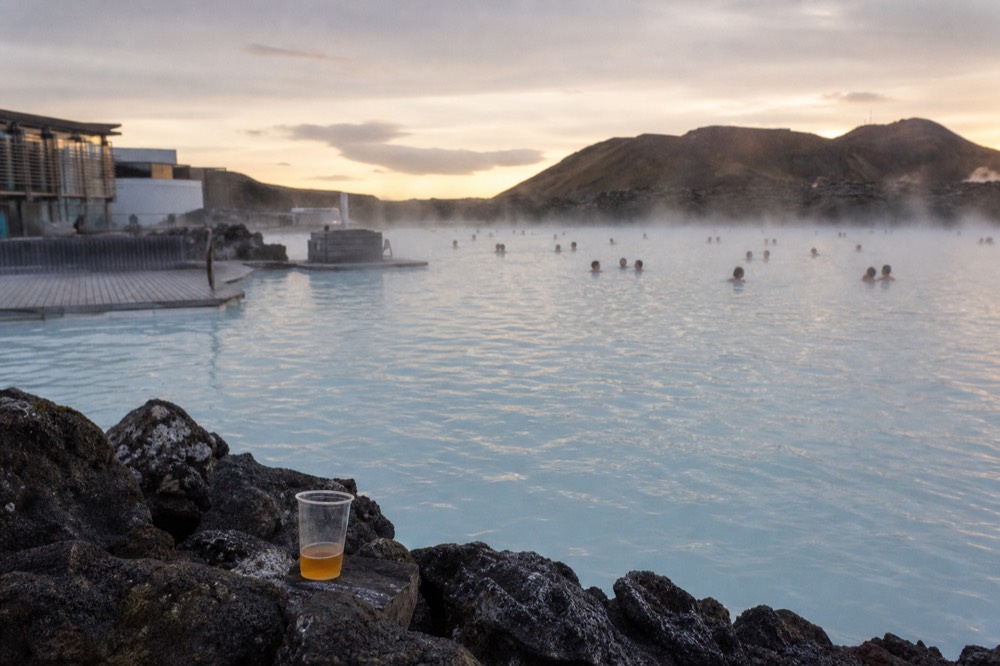
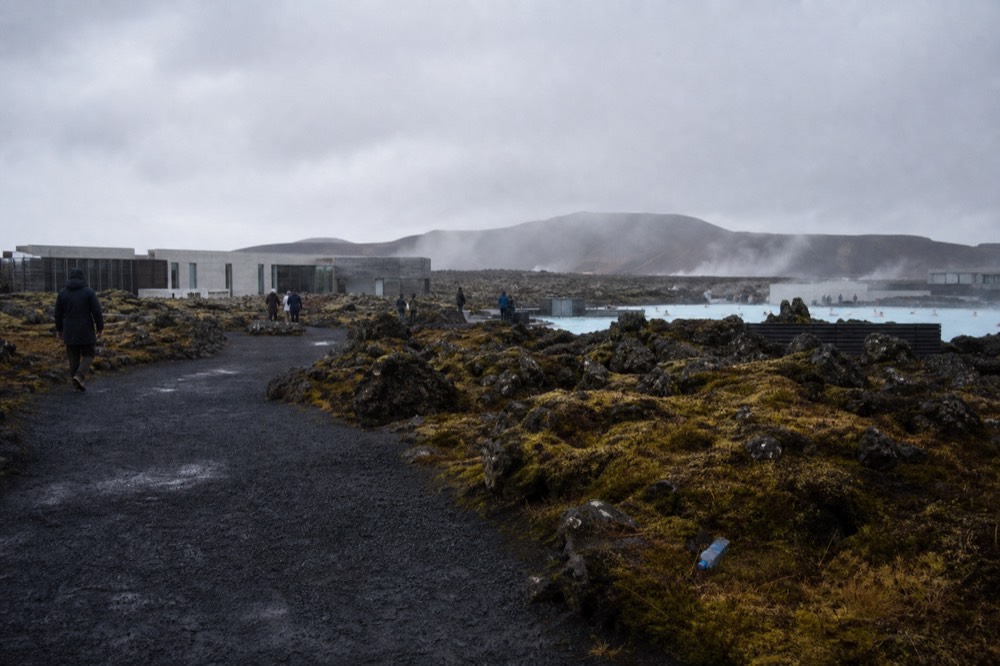
The reason this question gets asked so often is geography. The lagoon sits on the Reykjanes peninsula, beside the Svartsengi geothermal power plant whose surplus water created it, and that peninsula has been in an active volcanic period. The Icelandic Meteorological Office's most recent hazard assessment for the area, dated 18 August 2026, reports that land uplift at Svartsengi continues at a slow but steady rate, that seismic activity remains low, and that the hazard assessment is unchanged. In other words: the ground is moving, the monitoring continues, and today there is nothing in the official record that closes the lagoon.
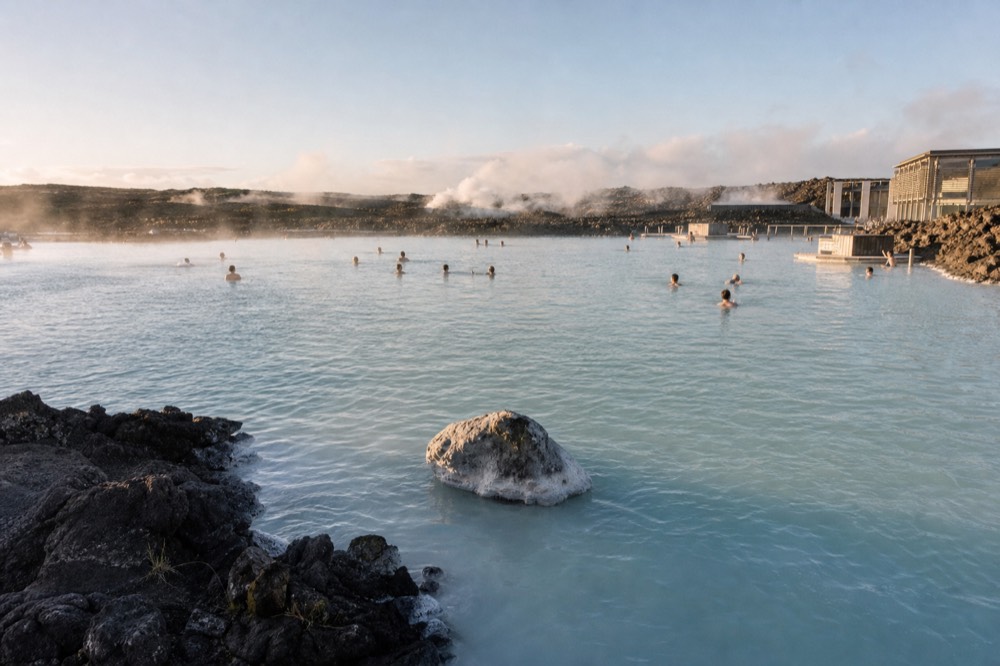
The honest framing is that two things are true at once. The venue is open and says it opens every day of the year, and it sits beside a volcanic system that has erupted repeatedly since December 2023. Neither fact cancels the other. The Icelandic Meteorological Office has published that warning times before previous eruptions in this series ranged from roughly 20 minutes to just over four hours, which is the only forward-looking statement any responsible page should make, and it belongs to the Met Office, not to us. For a deeper treatment of the risk question itself, read the companion piece on whether the Blue Lagoon is safe from the volcano.
If you hold a ticket or are about to buy one, the practical answer is short: book as normal, then check the venue's own status pages close to your date. The operator's live listing carries the cancellation and rebooking terms that apply to your specific ticket.
How Have Blue Lagoon Closures Actually Worked In Practice?
When the Reykjanes eruption series has disrupted the lagoon, closures have been short-notice decisions driven by official hazard assessments, not seasonal shutdowns. The venue has closed temporarily during the series and has reopened once assessments allowed, and no pattern of advance scheduling exists. Anyone promising a specific closure calendar is guessing, because the only body that moves the hazard level is the Icelandic Meteorological Office.
The mechanics matter more than the history. Iceland's civil protection and meteorological authorities issue hazard assessments for the Sundhnúkur crater row and the area around Grindavík, and those assessments carry validity dates. The current one, dated 18 August 2026, is valid until 30 September 2026 and notes no change in access implications for the Blue Lagoon area or the main access roads. When an assessment changes, venues and road authorities act on it, and that is when a closure can appear with little warning.
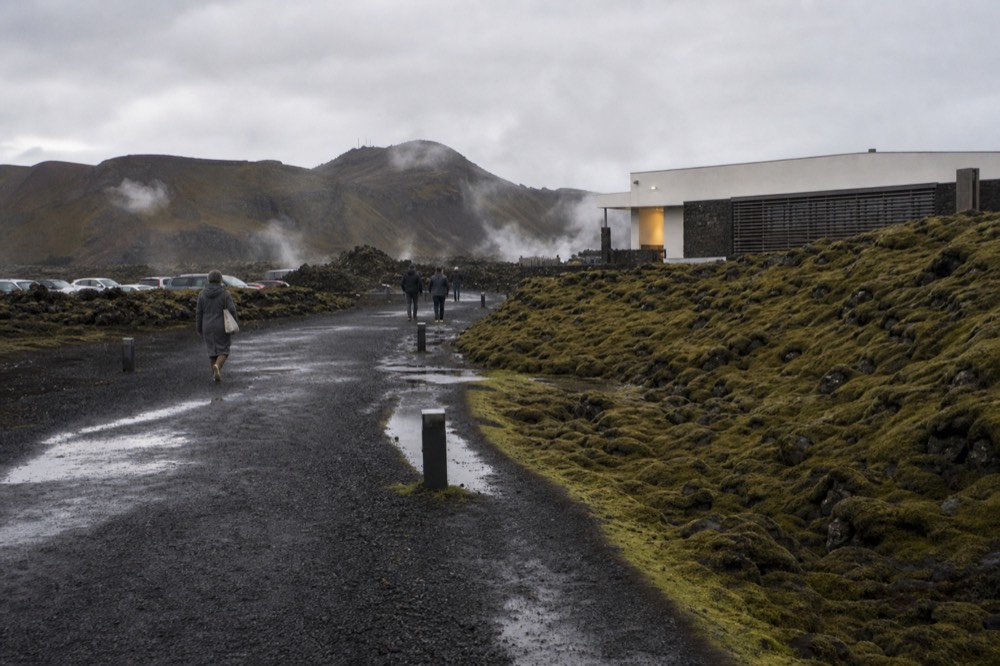
What the venue itself publishes about closures is limited and honest. Blue Lagoon maintains a dedicated seismic-activity page explaining that it has constructed protective barriers at Svartsengi to safeguard infrastructure against potential lava flows, and that monitoring is conducted primarily by the Icelandic Meteorological Office. It does not publish a rolling risk forecast, and it does not promise it will never close. What it does publish is a standing statement that it operates every day of the year, which should be read as its normal operating intent rather than a guarantee about any individual date.
This page deliberately does not list specific past closure dates or count closure days. Those figures circulate widely online, but they trace to secondary sources rather than to primary closure notices, and reprinting them, even to disclaim them, puts unverified numbers on the page. What we can say from the official record is structural: nine eruptions have occurred on the Sundhnúkur crater row since December 2023, the most recent beginning 16 July 2025 and ending 5 August 2025 according to the Met Office news record, and the lagoon has operated through the overwhelming majority of that period.
What Happens To Your Booking If The Blue Lagoon Closes?
If a closure affects your date, your recourse runs through the channel where you booked: the operator's live listing for the ticket itself, or the venue directly for add-ons and packages booked on its own site. The venue's published pages do not carry a blanket refund promise, so the terms that matter are the ones attached to your specific ticket at purchase. Read them before you buy, not after.
The practical advice is unglamorous but effective. Buy from the live listing rather than through opaque bundles, keep the confirmation email, and screenshot the cancellation terms at the moment of purchase. Blue Lagoon's own pages describe pre-booking as essential and note that entry is generally fully booked throughout the year, which means last-minute rebooking into a new date is not always trivial: capacity, not willingness, is usually the constraint.
| What the venue publishes | Where it appears | What it means for you |
|---|---|---|
| Open every day of the year, hours change with the seasons | Opening-hours page | No scheduled seasonal closure exists |
| Pre-booking is essential; entry is generally fully booked year-round | Day-visit pages | Move quickly if your date changes |
| Arrive within the one-hour window on your ticket | Plan-your-visit pages | A closure or delay can consume your window, so contact the listing early |
| Stay as long as you like within opening hours | Plan-your-visit pages | Your ticket is date-and-time specific, not open-ended |
| Exit the water 30 minutes before closure | Opening-hours page | Late-day slots end before the posted closing time |
| Protective barriers built at Svartsengi; monitoring led by the Met Office | Seismic-activity page | The venue treats volcanic risk as a live operational issue |
One point worth stating plainly: the venue's own site does not publish a single universal refund policy for volcanic closures on the pages we verified, and we will not invent one. Operators in this situation have historically handled disruption by moving bookings to new dates or refunding them, but the binding terms are whatever your ticket says. If a closure risk would ruin an expensive trip, travel insurance that covers volcanic disruption is the honest answer, and it is worth checking whether your policy treats a venue closure as a covered event.
Where Do You Check The Official Status Before You Go?
Check three sources in order: the Blue Lagoon's own site for the venue's operational status, the Icelandic Meteorological Office for the hazard assessment, and safetravel.is for the consolidated travel-conditions picture. Each answers a different question, and none of the three replaces the others. Checking one and not the others is how travellers get surprised.
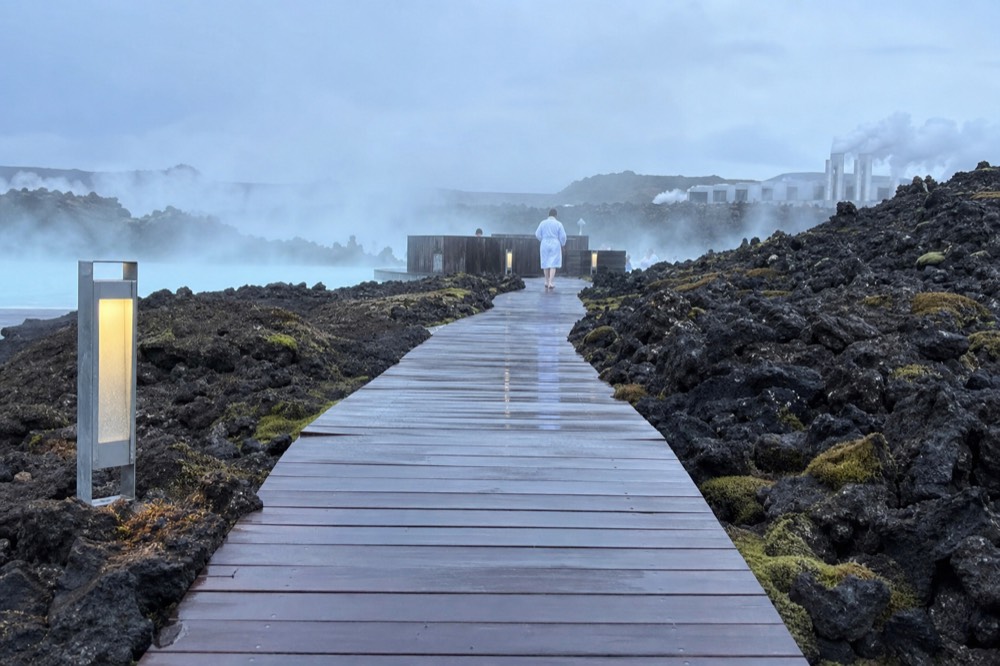
The venue's own pages are the only place a closure will be announced with operational effect. The opening-hours page carries the open-every-day statement and the seasonal schedule, and any disruption notice would appear on the venue's site first. The Icelandic Meteorological Office publishes the hazard assessments with their validity dates, along with the measured facts underneath them: the 18 August 2026 update reports roughly 29.1 million cubic metres of magma accumulated beneath Svartsengi since the July 2025 eruption, with an uncertainty range of 28.3 to 29.9 million cubic metres. And safetravel.is, run by the Icelandic Association for Search and Rescue, consolidates conditions and carries the emergency guidance, including the backup emergency number 599-0112 if a call to 112 fails.
| Source | What it tells you | How often to check |
|---|---|---|
| bluelagoon.com | Venue status, seasonal hours, any disruption notice | Within a week of travel and the day before |
| Icelandic Meteorological Office | Hazard assessment, validity date, seismic and uplift data | If you want the underlying picture |
| safetravel.is | Consolidated travel conditions, alerts, emergency guidance | Before any Reykjanes day trip |
| The operator's live listing | Your ticket's cancellation and change terms | At purchase, and immediately if disrupted |
| Road authority Vegagerðin | Road status on Route 43 and the peninsula | If you are self-driving |
A note on timing: the Met Office has published that warning times before previous eruptions in this series ranged from about 20 minutes to just over four hours. That is an attribution to the Met Office, and it defines the outer limit of useful vigilance. Checking status pages daily for a trip three months away buys nothing; checking them the day before and the morning of your visit buys everything that can be bought.
What Are The Published Opening Hours And Last Entry?
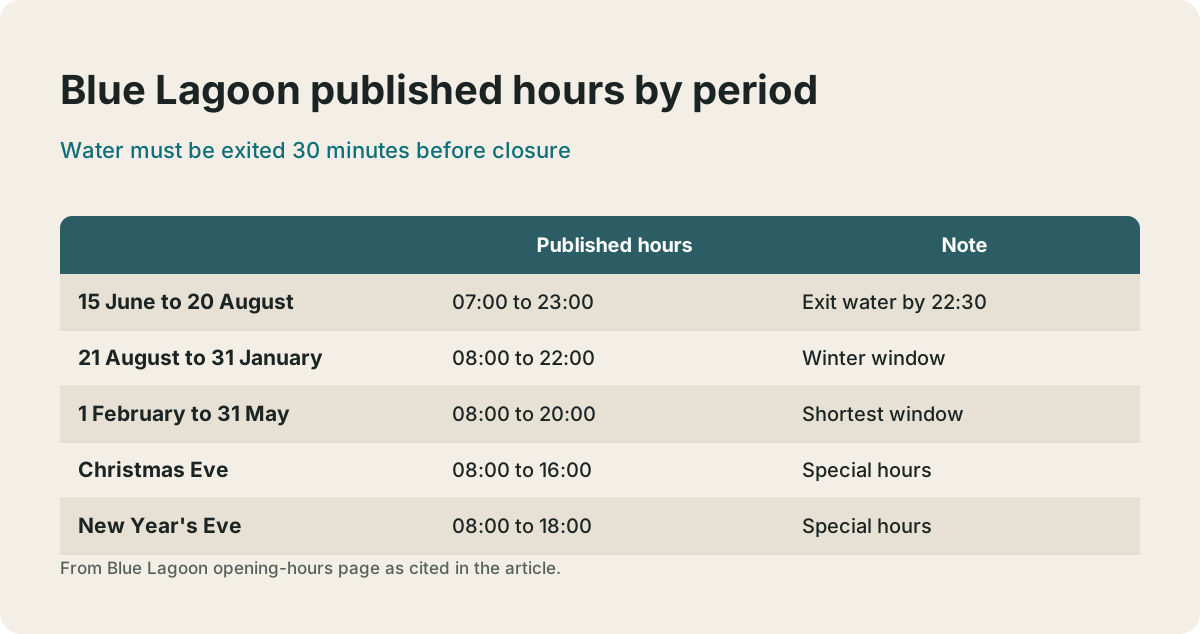
Blue Lagoon publishes four seasonal windows: 07:00 to 23:00 from 15 June to 20 August, 08:00 to 22:00 from 21 August to 31 January, 08:00 to 20:00 from 1 February to 31 May, plus shortened hours on Christmas Eve and New Year's Eve. Guests are asked to exit the water 30 minutes before closure, so the last usable soak ends half an hour before the posted time.
The seasonal structure rewards planning. The long summer window means a late-evening slot can run well past 22:00 in the water, while the February-to-May window closes at 20:00, which matters if you are pairing the lagoon with a late flight or a long drive. Christmas Eve runs 08:00 to 16:00 and New Year's Eve 08:00 to 18:00, so anyone building a holiday itinerary around those dates should book morning slots. The on-site restaurants run their own schedules: Lava Restaurant daily from 11:30, the Retreat Spa daily 08:00 to 20:00, and Moss Restaurant Wednesday to Sunday evenings.
| Period | Published hours | Notes |
|---|---|---|
| 15 June to 20 August | 07:00 to 23:00 | Summer window; exit water by 22:30 |
| 21 August to 31 January | 08:00 to 22:00 | Winter window |
| 1 February to 31 May | 08:00 to 20:00 | Shortest window of the year |
| Christmas Eve | 08:00 to 16:00 | Special hours |
| New Year's Eve | 08:00 to 18:00 | Special hours |
| Any date | Exit water 30 minutes before closure | Venue request on the hours page |
Your ticket ties you to a date and a one-hour arrival window rather than to a fixed duration, and the venue says you can stay as long as you like within opening hours. That makes the last bookable arrival of the day the least forgiving slot: a delay eats directly into your soak. For help sizing the visit itself, the companion guide to how long two hours at the Blue Lagoon actually lasts breaks the timing down.
Can You Switch To Sky Lagoon Instead?
Yes, and for many travellers it is the cleanest fallback. Sky Lagoon sits at the edge of Kópavogur, minutes from central Reykjavík and off the Reykjanes peninsula's volcanic zone, and it publishes its own seasonal hours with the same every-day-of-the-year operating pattern. Its 7-step ritual pass starts from $117 on the live listing, rated 4.8 across 7,654 reviews.
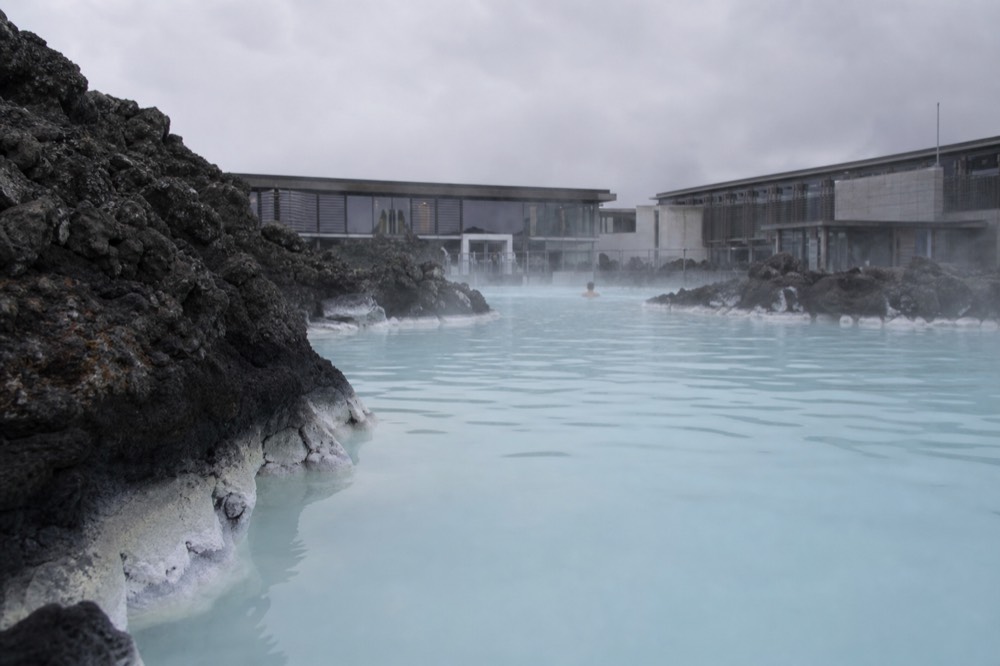
The two venues are not substitutes in character. Sky Lagoon is built around a ritual circuit, a seven-step sequence running from the 38-40°C lagoon through a 5°C cold plunge, saunas at 80-90°C, a cold mist, a body scrub, a 46°C steam room and a crowberry juice at the end. Blue Lagoon is built around the water itself, the silica-rich geothermal seawater that formed by accident in the 1970s when surplus water from the Svartsengi plant failed to drain through the lava. Choosing one as a replacement for the other means accepting a different experience, not a downgrade.
Practically, Sky Lagoon runs its own seasonal schedule: 10 a.m. to 9 p.m. in winter from 21 October to 30 April, 10 a.m. to 10 p.m. in spring, 8 a.m. to 11 p.m. in summer from 21 June to 20 August, and 9 a.m. to 10 p.m. in autumn. Guests leave the lagoon 30 minutes before closing. Saman passes with public changing start from ISK 14,990 adult and Sér passes with private changing from ISK 17,990, and children under 12 are not permitted, which matters for families: Blue Lagoon admits children from age 2, Sky Lagoon does not. Full detail lives in the guide to Sky Lagoon tickets and packages.
Which Lagoons Sit On A Different Peninsula Entirely?
Most of Iceland's lagoons sit well away from Reykjanes. Hvammsvík in Hvalfjörður, Krauma at Deildartunguhver, the Secret Lagoon at Flúðir, Fontana at Laugarvatn and everything in North and East Iceland are all outside the peninsula's volcanic zone, and none of their operations depend on the Sundhnúkur hazard assessments. If a Reykjanes closure would break your trip, a one-hour drive puts you in unaffected geothermal country.
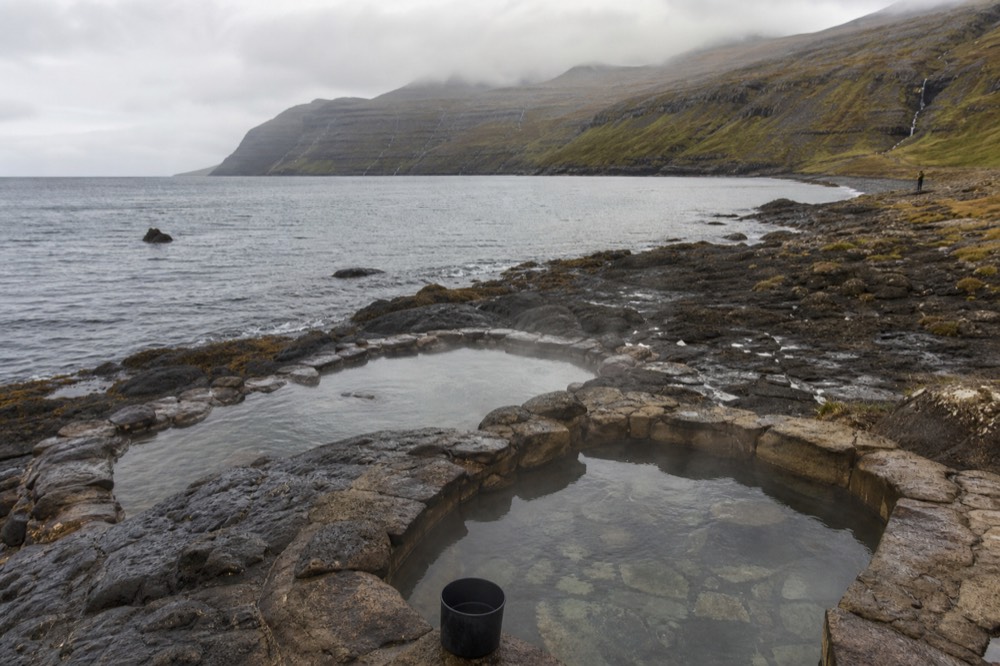
Hvammsvík Hot Springs is the nearest serious alternative, about a 45-minute drive from Reykjavík on route 47 into Hvalfjörður, with eight natural hot springs of varying temperatures, a swim-up bar, a steam room, a newly built sauna and a cold plunge filled with seawater. Admission is sold in tiers by changing-room level and inclusions, guests must be 10 or older, and the venue requires advance online booking. Its admission ticket on the live listing starts from $84, rated 4.8 across 313 reviews.
| Lagoon | Region | Distance character | Notes if Reykjanes disrupts |
|---|---|---|---|
| Sky Lagoon | Kópavogur, capital area | Minutes from Reykjavík | Same city base, different peninsula edge |
| Hvammsvík | Hvalfjörður, West Iceland | About 45 minutes from Reykjavík | Eight springs, ocean access, minimum age 10 |
| Secret Lagoon | Flúðir, South Iceland | Golden Circle stop | Cheapest ticket on our roster, from $35 |
| Krauma | Deildartunguhver, West Iceland | About 97 km from Reykjavík | Fed by the spring Krauma calls Europe's highest-flow |
| Earth Lagoon Mývatn | North Iceland | Ring-road stop by Mývatn | Reopened 27 July 2026 with expanded facilities |
| Forest Lagoon | Akureyri, North Iceland | Above Akureyri | Free shuttle from the town centre |
The Golden Circle corridor is the strongest fallback for anyone already booked on that route: the Secret Lagoon at Flúðir, Fontana at Laugarvatn and the new Laugarás Lagoon all sit inland, hours from the peninsula. Further afield, Earth Lagoon Mývatn reopened on 27 July 2026 with roughly a third more capacity, a new steam cave and a lagoon bar, and Forest Lagoon runs a free shuttle from Akureyri. The budget angle is covered in Iceland lagoons on a budget, and the full price comparison across every venue lives in our lagoon ticket prices compared guide.
What About The Conflicting Eruption Dates You Read Online?
One official tourism page currently contradicts itself on the most recent eruption's dates, giving a November 2024 start in one place and a July-to-August 2025 window in another. The Icelandic Meteorological Office news record is the tiebreak, and it supports the 2025 dates: an eruption began on the Sundhnúkur crater row on 16 July 2025 and ended on 5 August 2025. When sources conflict, follow the monitoring body.
This matters more than it looks. Travellers researching closures encounter eruption timelines everywhere, and a page that gives two different "most recent eruption" dates on the same URL teaches the wrong lesson about which source to trust. The Met Office, as the body that actually measures and dates these events, publishes the news record, and its entries for the ninth eruption on the crater row carry the July and August 2025 dates. The tourism page's November 2024 line is an editing leftover, not a competing measurement.
The same discipline applies to closure claims. Numbers circulating for total closure days, evacuation dates and lava distances trace to secondary aggregation rather than primary notices, and this site will not reprint them even to argue with them. The verified record is simpler and sufficient: nine eruptions on the crater row since December 2023, the latest ending 5 August 2025, continued slow magma accumulation beneath Svartsengi, low seismic activity, and a hazard assessment unchanged as of 18 August 2026 and valid until 30 September 2026. That is what the monitoring body says. Everything beyond it is commentary.
For the broader question of whether visiting during an active volcanic period is sensible at all, Business Iceland's own guidance notes that these Reykjanes eruptions have been small, effusive events with localised impact, and that disruption to air travel has been rare. That is the official framing, and it is the one we repeat.
The Short Version For Someone Holding A Ticket
Book normally, check twice, and know your fallback. The venue is open and publishes that it opens every day of the year; the Met Office hazard assessment is the authoritative risk picture, valid until 30 September 2026; and your ticket's terms on the live listing govern what happens if anything changes. Iceland has a dozen other lagoons, and most of them are nowhere near the peninsula.
The travellers who get caught out are almost never the ones who checked nothing; they are the ones who checked a news article from eight months earlier and treated it as current. Status is a moving picture with a short horizon. Set a reminder for the day before your visit, open the venue's own hours page and safetravel.is, and if either shows a disruption, go to your booking's live listing before anywhere else. Everything else on this page is context for that two-minute routine.
And if the answer on the day is no, the fallback list above is real: Sky Lagoon for the same city base, Hvammsvík for a fjord setting under an hour away, the Golden Circle lagoons for an inland day. A closed Blue Lagoon is a changed itinerary, not a ruined trip. This Lagoons in Iceland guide exists precisely so that every alternative is one page away.
Common Questions About The Blue Lagoon's Opening Status
Is the Blue Lagoon open right now?
Yes. The venue's own opening-hours page states it is open every day of the year, and no closure notice appears on the page. Hours change with the seasons, so check the posted window for your travel dates, and recheck the venue's site and safetravel.is close to your visit.
Has the Blue Lagoon closed because of the volcano?
The lagoon has closed temporarily at short notice during the Reykjanes eruption series, which has seen nine eruptions on the Sundhnúkur crater row since December 2023, the latest ending 5 August 2025. It is open today and publishes that it operates every day of the year. No scheduled or predicted closure exists.
Do you get a refund if the Blue Lagoon closes?
The venue's own pages do not publish a single blanket refund policy, so the terms that matter are the ones attached to your specific ticket. Check the cancellation terms on the operator's live listing at the moment of purchase, keep your confirmation, and contact the listing immediately if your date is disrupted. Travel insurance covering volcanic disruption is worth considering for expensive itineraries.
How much warning is there before an eruption near the Blue Lagoon?
The Icelandic Meteorological Office has published that warning times before previous eruptions in this series ranged from approximately 20 minutes to just over four hours. That is the Met Office's own figure and the only forward-looking statement that can responsibly be made. It is why checking status pages the day before and the morning of your visit matters more than checking weeks ahead.
Which lagoons can you visit if the Blue Lagoon is closed?
Sky Lagoon sits minutes from central Reykjavík and off the peninsula's volcanic zone. Hvammsvík in Hvalfjörður is about 45 minutes away, and the Golden Circle lagoons at Flúðir, Laugarvatn and Laugarás are all inland. Venues in North and East Iceland are unaffected by Reykjanes hazard assessments entirely.
Where do you check Blue Lagoon's official status?
Check the venue's own site at bluelagoon.com for operational status and hours, the Icelandic Meteorological Office for the hazard assessment and its validity date, and safetravel.is for consolidated travel conditions. Your booking's live listing carries the change and cancellation terms for your ticket.