Glacier Lagoon Or Geothermal Lagoon: Which Iceland Lagoon Is Which?
Iceland has two completely different kinds of lagoon, and mixing them up means buying the wrong ticket. One family is warm geothermal bathing water you soak in. The other is near-freezing glacial meltwater full of icebergs that you look at from a boat or the shore.
Short answer
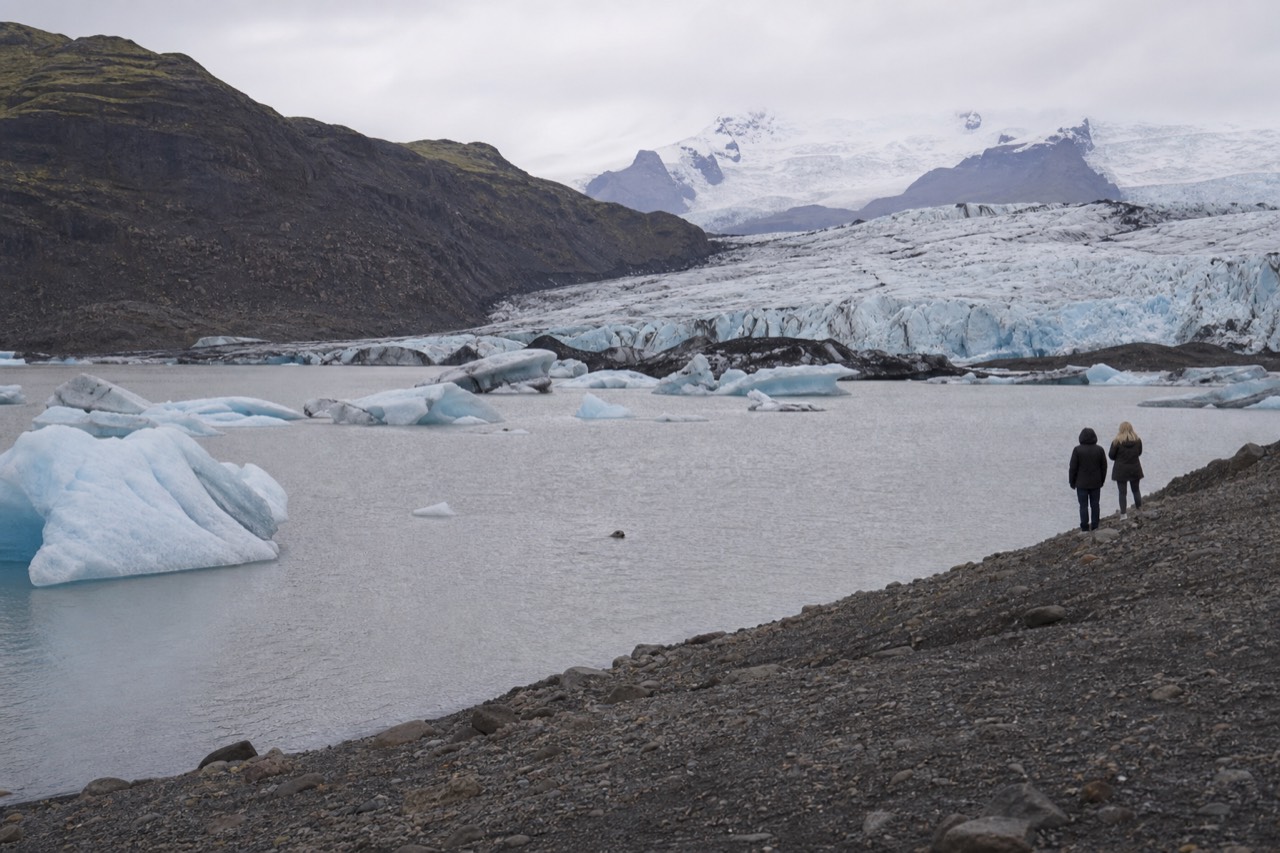
A geothermal lagoon is a bathing spa fed by hot geothermal water at roughly 36 to 42 degrees, where you swim in a swimsuit. A glacier lagoon is a cold lake formed by a retreating glacier, floating with icebergs at close to freezing, where you view from shore or an amphibian or Zodiac boat. Only one family is for getting in the water.
Iceland sells two unrelated experiences under the same word. When a search for a glacier lagoon in Iceland returns a spa ticket, or a geothermal bathing guide recommends a boat ride among icebergs, the confusion is not the traveller's fault: the country genuinely uses "lagoon" for both. One family is heated water you soak in. The other is a cold lake a glacier carved out and now fills with icebergs. The tickets, the clothing, the seasons and even the part of the country you visit are all different, and the mistake is expensive because it usually means booking the wrong thing entirely.
This guide separates the two families properly: where the water comes from, what temperature it actually is, what you do once you arrive, what you wear, and which venues let you get on or in the water at all. Every venue on this site's roster gets sorted into its family, so you can see at a glance whether a ticket is a bathing ticket or a viewing ticket.
What Is The Difference Between A Glacier Lagoon And A Geothermal Lagoon?
A geothermal lagoon is a man-made or modified bathing pool filled with hot geothermal water, typically 36 to 42 degrees Celsius, where the activity is soaking in a swimsuit. A glacier lagoon is a natural lake formed by glacier retreat, holding meltwater and calved icebergs at close to freezing, where the activity is viewing from the shore or a boat. You bathe in one and look at the other, and no ticket swaps between them.
The distinction is not a technicality. It decides your packing list, your route, your budget and your expectations. Geothermal lagoons cluster near population and the Ring Road's western and northern sections: Reykjanes, the Golden Circle, the west, the north and the east. Glacier lagoons sit in the far southeast, where Vatnajökull's outlet glaciers drain into lakes at Breiðamerkursandur.
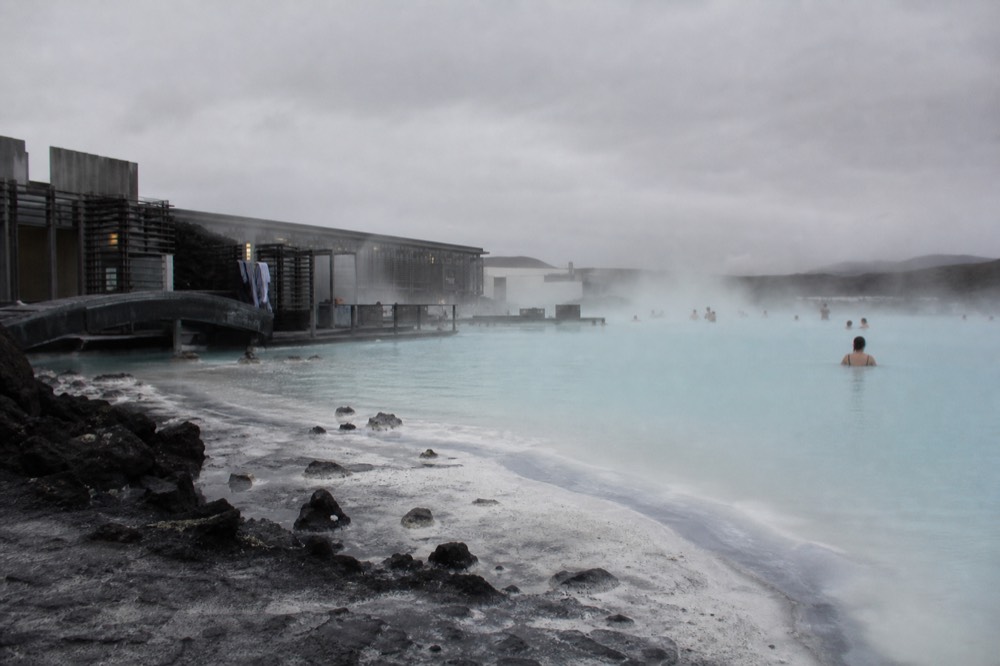
The word "lagoon" itself is doing travellers a disservice. Jökulsárlón and Fjallsárlón, the two glacier lagoons, are lagoons in the oceanographic sense: shallow bodies of water connected to the sea, with seawater flowing into Jökulsárlón at high tide, as the boat operator's own site explains. Blue Lagoon and its geothermal cousins are lagoons only in the marketing sense. They are bathing reservoirs, several of them, like Blue Lagoon itself, formed by accident when geothermal water failed to drain through porous lava.
Where Does The Water In Each Lagoon Come From?
Geothermal lagoon water is heated underground by volcanic activity and piped or spring-fed into bathing pools at 36 to 42 degrees. Glacier lagoon water is melted glacier ice and snow, mixed with seawater at the lagoon mouth, sitting at near-freezing temperatures. The water source is the single cleanest way to tell the families apart before you book anything.
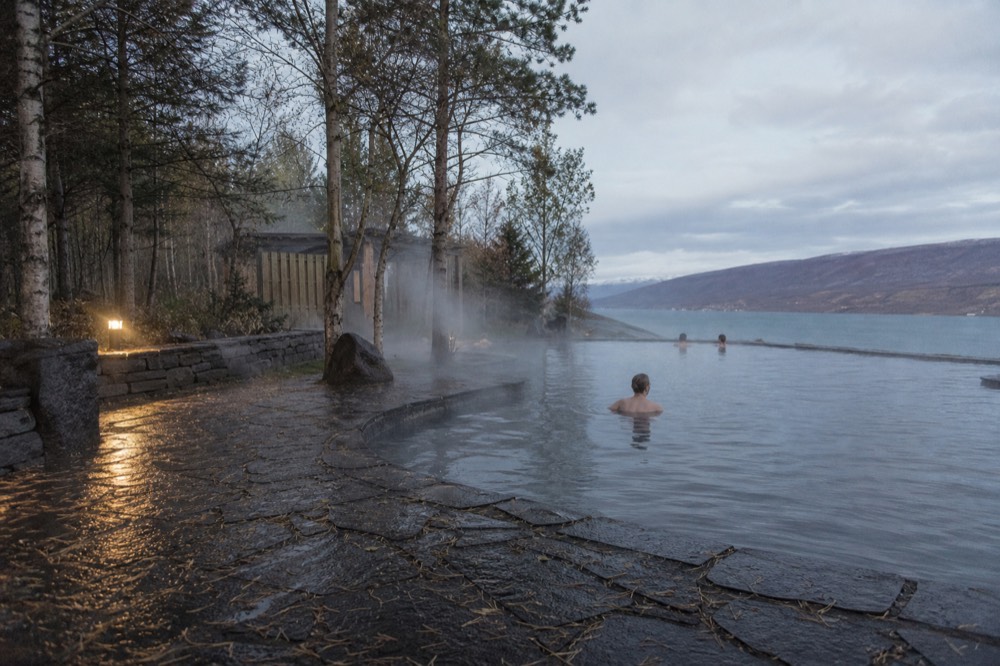
Blue Lagoon's own account is the clearest example of the geothermal family. Its water forms two thousand metres underground, where ocean water and freshwater converge under heat and pressure, emerging as geothermal seawater that Blue Lagoon describes as 70 percent ocean water and 30 percent freshwater, at 38 degrees by the time it reaches the lagoon. The lagoon itself formed by accident in the 1970s when water from the Svartsengi power plant collected on the lava field instead of draining through it, kept in place by its high silica content.
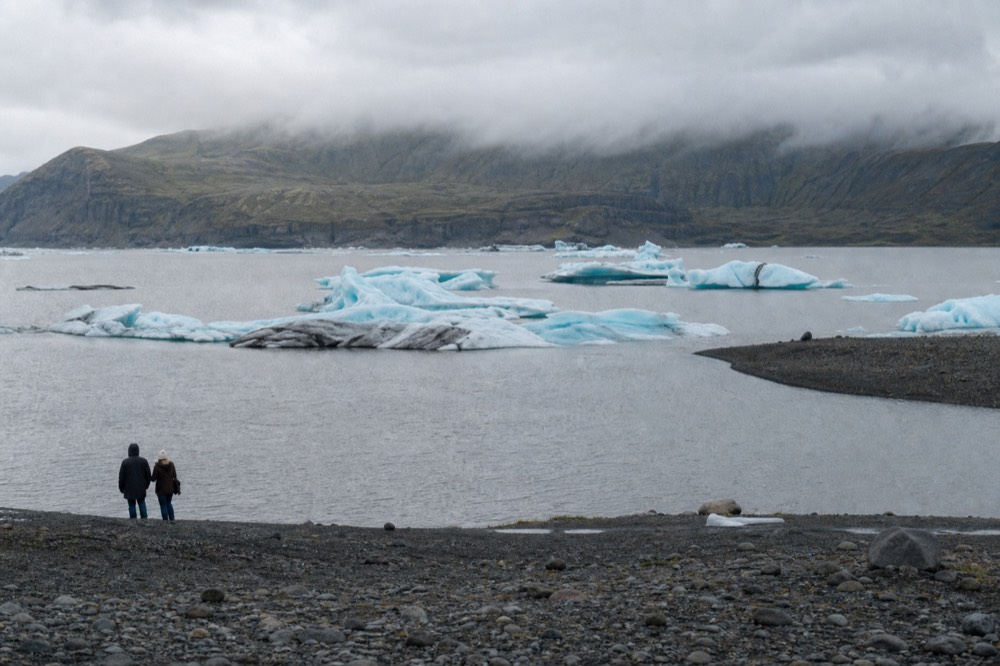
The glacier family works the other way around. Vatnajökull National Park explains that lakes began to appear at Breiðamerkursandur in the 1930s as the glaciers retreated, and that the largest of them, Jökulsárlón, Breiðárlón and Fjallsárlón, are each fed by a calving glacier. The park notes that the lakes keep growing with continued glacier retreat. There is no heating, no piping and no bathing. The surface of Jökulsárlón sits at sea level and seawater flows in at high tide, which is why seals hunt where the lagoon's rivers reach the ocean.
Business Iceland frames the geothermal side of the country in one official line: geothermal energy heats over 85 percent of Icelandic homes and businesses. The lagoons are the visible, batheable end of the same resource, which is why they sit where volcanic activity sits, on the Reykjanes Peninsula, the Golden Circle's rift zone and the north's geothermal fields.
How Do The Two Families Compare On Water, Activity And Cost?
Geothermal lagoons cost roughly $35 to $146 for an adult bathing ticket on this site's roster, require a swimsuit and a pre-entry shower, and last as long as your booking allows. Glacier lagoon boat tours cost from ISK 7,100 for an amphibian ride to ISK 16,600 for a Zodiac at Jökulsárlón, and you stay dressed and dry. One is a spa visit, the other is a sightseeing cruise.
The table below is the short version of this whole guide. Read the water temperature column first, because it explains everything else.
| Geothermal lagoon | Glacier lagoon | |
|---|---|---|
| Water source | Geothermally heated groundwater or seawater | Glacier meltwater, with seawater at the lagoon mouth |
| Water temperature | Roughly 36 to 42 degrees at the bathing venues | Near freezing, with floating icebergs |
| What you do | Soak, sauna, steam, cold plunge, spa rituals | View icebergs from shore or ride a boat among them |
| What you wear | Swimsuit, showered without it first | Everyday clothing, plus a life vest on boats |
| Typical ticket | Adult bathing admission, from $35 to $146 on this roster | Boat tour, from ISK 7,100 amphibian to ISK 16,600 Zodiac at Jökulsárlón |
| Where | Reykjanes, Golden Circle, west, north, east | Southeast, at Breiðamerkursandur |
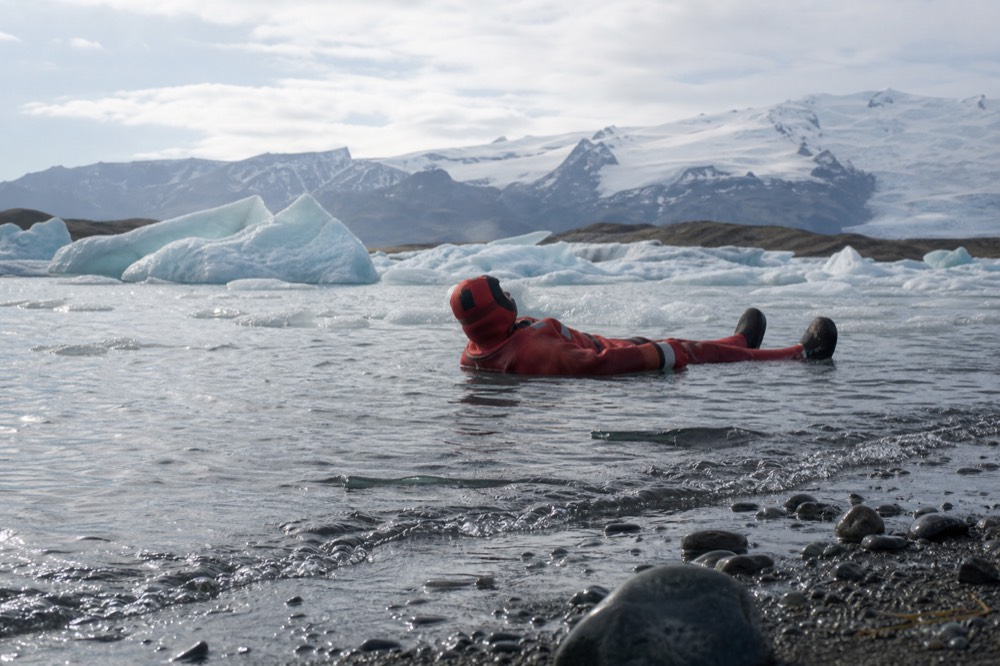
Note what is absent from the glacier column: swimming. The water is cold enough that entering it is not an activity anyone sells. The ice-floating tour at Fjallsárlón, which runs all year, uses a thermal immersion suit, so even the one glacier-lagoon product that puts you in the water keeps you dry inside a suit. On the geothermal side, the equivalent contrast is the cold plunge, which is a deliberate few seconds, not a swim.
Cost behaves differently too. Geothermal tickets are flat admissions with tiered extras: Blue Lagoon's Comfort includes entry, towel, silica mud mask and a drink, while Premium adds a bathrobe and more masks. Glacier tickets are per-activity, and the shore viewing itself is free, though Jökulsárlón now charges for parking at ISK 1,110 per passenger car. If your budget is tight, the glacier lagoon is the cheaper sight and the geothermal lagoon is the one you pay to enter.
Which Lagoons Are In The Geothermal Family?
Fourteen bathing venues make up the geothermal family on this site's roster: Blue Lagoon and Sky Lagoon near the capital, Secret Lagoon, Fontana, Laugarás Lagoon and Reykjaböð in the south and Golden Circle, Hvammsvík, Húsafell Canyon Baths and Krauma in the west, and Earth Lagoon Mývatn, Forest Lagoon, GeoSea and Vök Baths in the north and east. All sell warm-water bathing admissions.
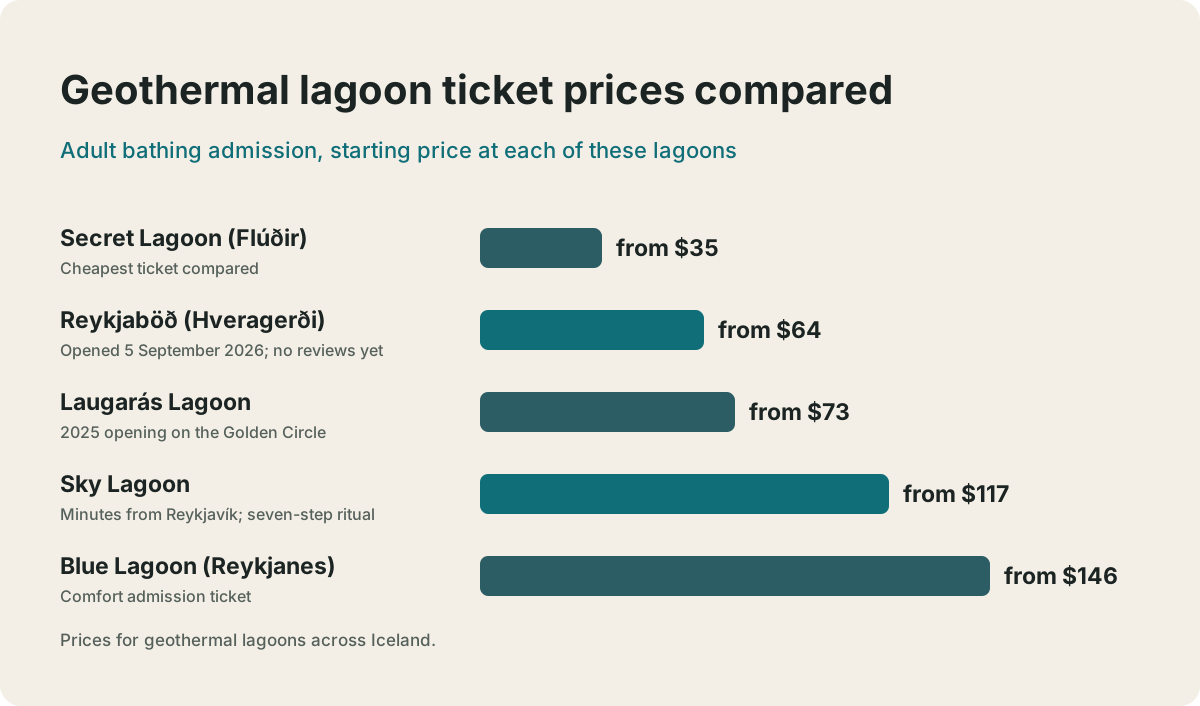
Each has its own character, and the differences matter more than the shared category. Blue Lagoon is the silica-blue icon on Reykjanes, open every day of the year in its own words, with Comfort admission from $146 on the live listing. Sky Lagoon, minutes from Reykjavík, is built around its seven-step Skjól Ritual, with passes from $117. Secret Lagoon at Flúðir is the cheapest ticket on the roster at from $35, a single historic pool the venue itself describes as the oldest swimming pool in Iceland, a claim worth attributing to the venue rather than repeating as fact.
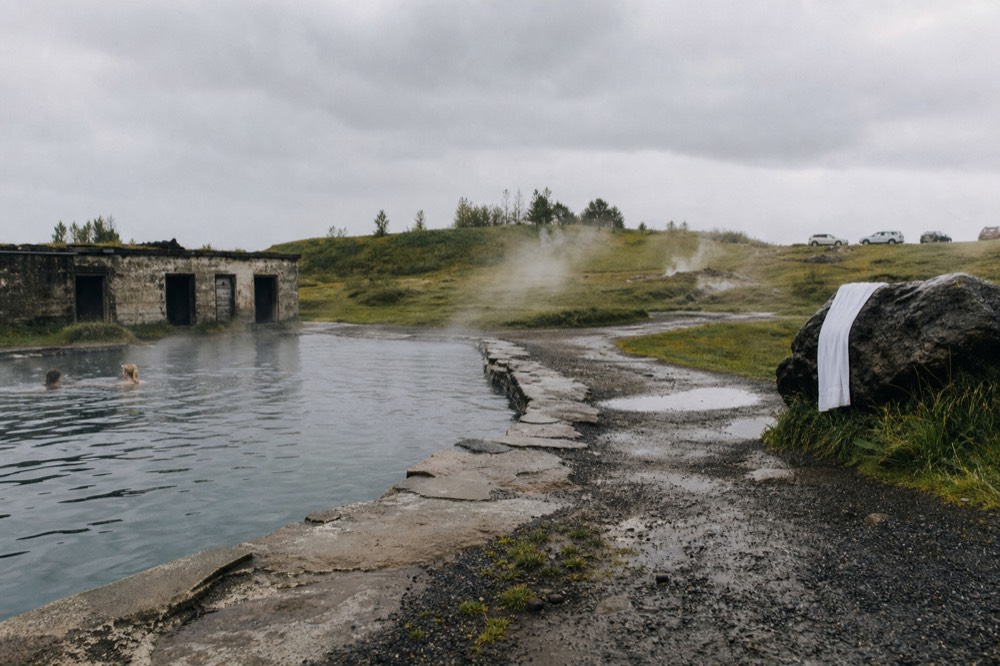
The rest of the roster fills in the map. Fontana sits on the shore of Laugarvatn lake, where you can step from hot steam baths straight into cold lake water. Laugarás Lagoon is a 2025 opening on the Golden Circle with a two-course meal tier from $73. Reykjaböð in Hveragerði opened on 5 September 2026, making it the newest lagoon in the country, with entry from $64 and no reviews yet. In the west, Hvammsvík offers eight natural springs on a fjord shoreline, Húsafell's Canyon Baths pair a hike with two canyon pools, and Krauma baths in water from Deildartunguhver, which Krauma credits with the highest flow rate of hot springs in Europe at 180 litres of 100-degree water per second. In the north and east, Earth Lagoon Mývatn reopened on 27 July 2026 with expanded facilities, Forest Lagoon spreads through the forest above Akureyri, GeoSea sits by the Húsavík lighthouse, and Vök Baths floats on Lake Urriðavatn.
If you want the deep comparison of two specific neighbours, the Blue Lagoon ticket tiers explained and the Sky Lagoon packages guide break down what each admission actually includes, and the site's full price comparison of Iceland's lagoons lines up every ticket side by side.
Which Lagoons Are In The Glacier Family?
The glacier family is much smaller: Jökulsárlón and Fjallsárlón, both at Breiðamerkursandur in Vatnajökull National Park, fed by calving outlet glaciers of Vatnajökull. Neither has a bathing ticket. What they sell is boat tours among icebergs, and the park itself provides free ranger walks in 2026.
Jökulsárlón is the one most visitors mean when they search for a glacier lagoon in Iceland. The park describes it as one of the main destinations at Breiðamerkursandur, accessible year-round directly from Route 1, with the fastest landscape changes visible where Breiðamerkurjökull calves into the lake. The boat operator runs amphibian tours of 30 to 40 minutes and Zodiac tours of about an hour and 15 minutes, with 2026 prices of ISK 7,100 for adults on the amphibian and ISK 16,600 on the Zodiac. On the amphibian you get to taste what the operator advertises as 1000-year-old ice, their own framing for the glacier's age. The full index of guides sits on Lagoons in Iceland.
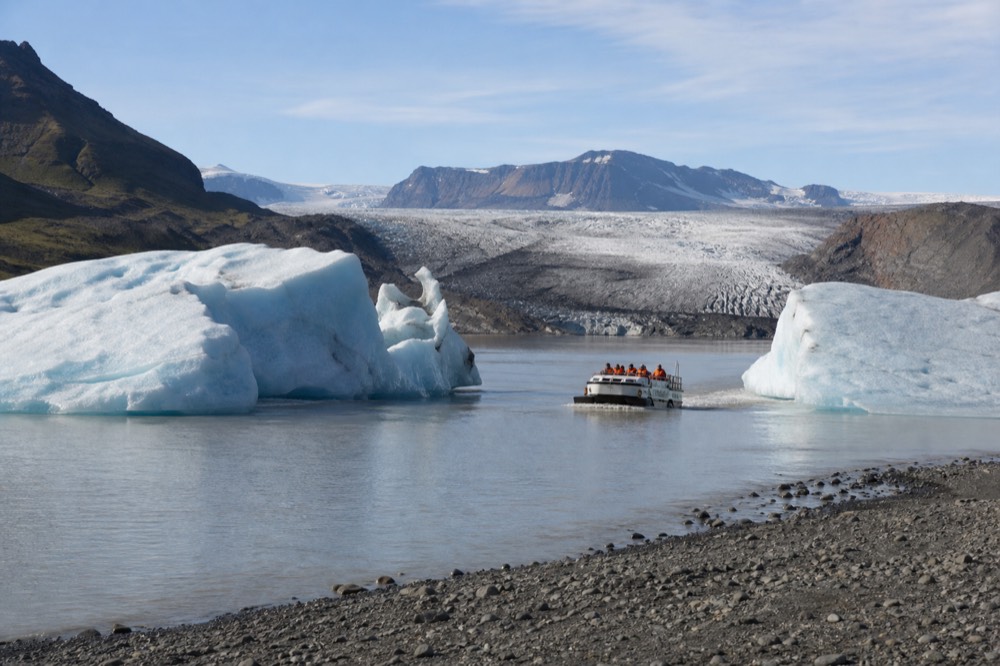
Fjallsárlón sits slightly further west, fed by the secluded Fjallsjökull glacier. Its operator sells a 75-minute Zodiac iceberg boat tour at ISK 11,300 from April to November, plus the year-round ice-floating tour in a thermal immersion suit at ISK 15,900, a genuine seasonality difference against its neighbour. The park adds free interpretive ranger walks at both lagoons in 2026, daily at 11:00 at Jökulsárlón from June to September and at 15:00 at Fjallsárlón from mid-June to mid-August. For the full picture of the two boat products, the site's Jökulsárlón amphibian versus Zodiac comparison covers the choice in detail.
One boundary note that trips people up: the beach beside Jökulsárlón, where icebergs wash ashore, is called Fellsfjara and Eystri-Fellsfjara on the national park's own pages. It belongs to the glacier family's world of viewing, not bathing, and the same safety rules about sneaker waves and keeping distance from the water's edge that apply on Iceland's black sand beaches apply there too.
Which Lagoons Can You Actually Get In The Water At?
Every geothermal lagoon on the roster is entered by design: you bathe. At the glacier lagoons, you view from the shore or a boat, and the only in-water product is Fjallsárlón's ice-floating tour in a thermal immersion suit. No glacier lagoon sells swimming, and no geothermal lagoon sells boats.
The split is absolute, and it is worth stating plainly because the question arrives constantly. Here is every venue sorted by how you experience the water.
| Venue | Family | You get in the water? | How you experience it |
|---|---|---|---|
| Blue Lagoon | Geothermal | Yes | Bathe in the lagoon, sauna, steam cave, colder lagoon |
| Sky Lagoon | Geothermal | Yes | Bathe plus the seven-step Skjól Ritual |
| Secret Lagoon | Geothermal | Yes | Bathe in the historic pool |
| Fontana | Geothermal | Yes | Steam baths plus cold lake dips |
| Laugarás Lagoon | Geothermal | Yes | Bathe, with meal tiers |
| Reykjaböð | Geothermal | Yes | Lagoon, Kneipp pool, sauna, cold plunge |
| Hvammsvík | Geothermal | Yes | Eight springs, plus ocean swimming and paddleboarding |
| Húsafell Canyon Baths | Geothermal | Yes | Guided hike then two canyon pools |
| Krauma | Geothermal | Yes | Five hot baths and a cold plunge |
| Earth Lagoon Mývatn | Geothermal | Yes | Lagoon, hot tubs, swim-in steam cave |
| Forest Lagoon | Geothermal | Yes | Two pools, sauna, cold pool |
| GeoSea | Geothermal | Yes | Sea baths at 38 to 39 degrees |
| Vök Baths | Geothermal | Yes | Pools on the lake, steam bath, cold plunge |
| Jökulsárlón | Glacier | No | Shore viewing, amphibian or Zodiac boat |
| Fjallsárlón | Glacier | Only in a suit | Boat tours, or ice-floating in an immersion suit |
Hvammsvík deserves a special mention because it blurs the line in an interesting direction: it is a geothermal venue whose springs sit on a fjord shoreline, and its published facilities include the ocean itself, with paddleboarding and ocean swimming offered alongside the warm pools. That is still geothermal-family bathing, just with a cold-water option attached. The glacier family offers nothing comparable outside a survival suit, and the temperature explains why. Geothermal venues publish bathing temperatures in the high 30s; glacier lagoon water is meltwater sitting at near freezing with ice floating in it.
What Is The Cheapest Way Into Each Family?
The cheapest geothermal ticket on this roster is Secret Lagoon at from $35, and the cheapest glacier-lagoon experience is free: viewing Jökulsárlón and Fjallsárlón from the shore costs nothing, though parking at Jökulsárlón is ISK 1,110 per car. The cheapest paid glacier experience is the Jökulsárlón amphibian boat at ISK 7,100 for adults.
The budget asymmetry is the practical payoff of understanding the category split. A glacier lagoon stop can be a free hour on a Ring Road drive, with icebergs, seals and the black-sand beach all viewable without a ticket. A geothermal lagoon cannot: entry is the product, and even the cheapest venues are commercial spas with booking engines, changing rooms and timed slots. Calling any of them hidden or free would be dishonest, and this site does not do that.
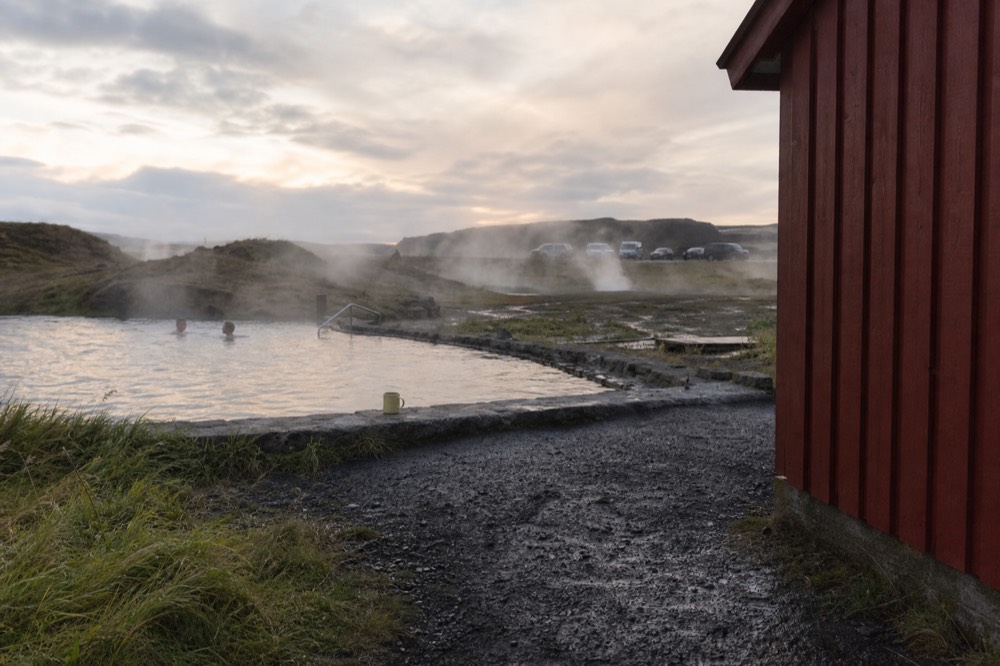
Within the geothermal family, the price ladder on the live listings runs from Secret Lagoon's $35 through Fontana at $47, Krauma at $50, Reykjaböð at $64, Earth Lagoon Mývatn and Vök Baths at $64, GeoSea at $60, Húsafell at $76, Laugarás at $73, Hvammsvík at $84, Forest Lagoon at $81, Sky Lagoon at $117 and Blue Lagoon at $146. The site's guide to Iceland's lagoons on a budget works through the trade-offs. Secret Lagoon's own site asks visitors to pre-book because high demand means it cannot guarantee a spot without a reservation, and it accepts ISK, USD and EUR cash alongside most cards.
On the glacier side, the boat is the paid product and the shore is the free one. If you do want the boat, book ahead: the operator recommends advance booking, especially in summer, when amphibian tours depart at least every 30 minutes from June to August. Groups of twelve or more should contact the operator directly.
When Is Each Family Open, And How Does Season Change The Choice?
Geothermal lagoons run all year, with seasonal hours: Blue Lagoon says it opens every day of the year, and Secret Lagoon switches between 10:00 to 19:00 winter hours and 10:00 to 20:00 summer hours. Glacier lagoon boats run roughly May to October or November, weather dependent, with the operator itself publishing conflicting season end dates, while the lagoons and shore are viewable year-round.
Season cuts the two families differently. The geothermal venues are winter-proof businesses: warm water in cold air is the appeal, and the darkest months add the possibility of aurora, though no official source guarantees a sighting, and Business Iceland's honest framing is that there are no guarantees but sightings improve away from light pollution. The glacier lagoons never close as landscapes, but their boats do. The Jökulsárlón operator labels the amphibian season May to November and the Zodiac season May to October on its tour cards, while its own FAQ says tours usually run from early May through October, so treat the season as a range and check the live listing. Fjallsárlón's boats run April to November, and its ice-floating tour runs all year.
| Season | Geothermal family | Glacier family |
|---|---|---|
| Summer (June to August) | Peak hours, longest days, book ahead everywhere | Boats at full frequency, amphibian at least every 30 minutes at Jökulsárlón |
| Autumn (September to November) | Full hours, aurora season begins in September per Business Iceland | Boats wind down, Zodiac ends October, amphibian into November, ice caves begin Nov to Mar at Fjallsárlón |
| Winter (December to February) | Shorter hours, dark-sky bathing, all venues open | No boats at Jökulsárlón; Fjallsárlón ice floating and ice caves continue |
| Spring (March to May) | Hours extend toward summer | Boats restart late April to May, icebergs often dense after winter |
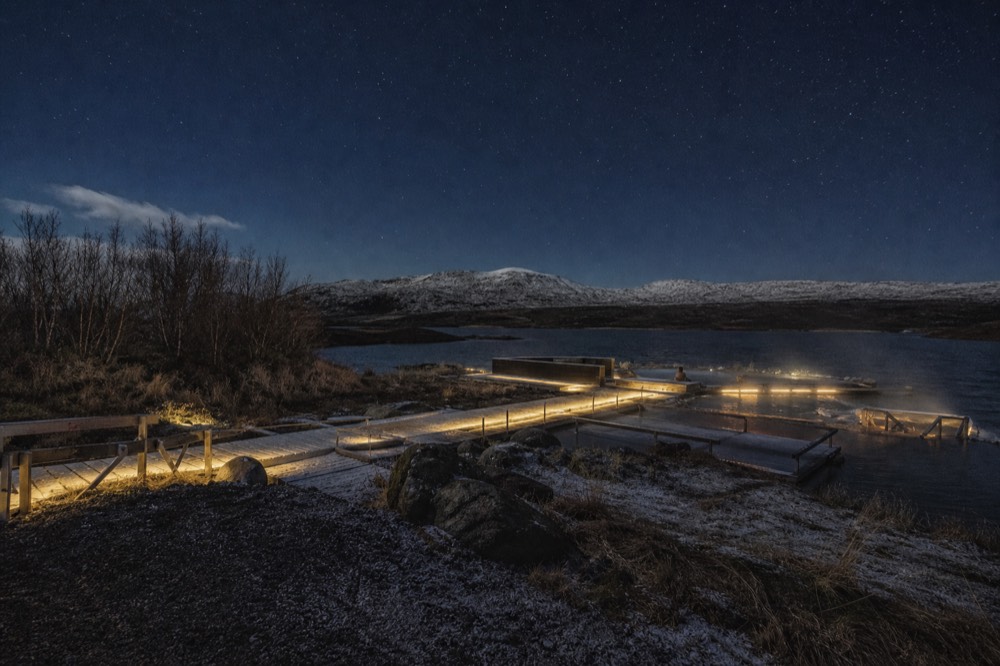
One planning wrinkle belongs to the highlands rather than either family: the Highland Baths at Kerlingarfjöll, an editorial-only venue on this site rather than a roster ticket, runs only 15 June to 30 September because its access depends on F-road openings, and the road authority states plainly that mountain road openings depend on weather and snowpack, with estimated dates published on its own seasonal page. Nothing in either main family is F-road dependent: every roster geothermal lagoon and both glacier lagoons sit on or just off Route 1 or the capital-area road network.
The honest summary is that the two families are complements, not competitors. Most Ring Road itineraries can hold both: a geothermal soak near the capital at the start, a glacier lagoon stop in the southeast mid-trip, and another warm soak in the north or east on the way back. The only wrong plan is buying a ticket for one while expecting the other.
Common Questions About Glacier And Geothermal Lagoons
Can you swim in a glacier lagoon in Iceland?
No. Glacier lagoon water is meltwater at near-freezing temperatures with icebergs floating in it, and no operator sells swimming. The only in-water product is Fjallsárlón's ice-floating tour, which uses a thermal immersion suit. You can read the full answer in the site's guide to whether you can swim in Jökulsárlón.
Is Blue Lagoon a glacier lagoon?
No. Blue Lagoon is a geothermal bathing lagoon on the Reykjanes Peninsula, fed by geothermal seawater that reaches the lagoon at 38 degrees. It formed in the 1970s as an unintended byproduct of the Svartsengi power plant when silica-rich water failed to drain through the lava.
Which is better, a glacier lagoon or a geothermal lagoon?
They are different experiences rather than rivals. Geothermal lagoons are for soaking at 36 to 42 degrees; glacier lagoons are for viewing icebergs from shore or a boat. Most Ring Road travellers do both, since the geothermal venues sit near the capital, west, north and east, and the glacier lagoons sit in the southeast.
How cold is a glacier lagoon?
Glacier lagoon water is meltwater and seawater at near-freezing temperatures, holding floating icebergs calved from a glacier. That is why the only water-based product, Fjallsárlón's ice floating, requires a thermal immersion suit.
Do you need to book glacier lagoon boat tours in advance?
The Jökulsárlón operator recommends advance booking, especially in summer, when amphibian tours depart at least every 30 minutes from June to August. Groups of twelve or more should contact the operator directly. Shore viewing needs no booking at all.
What should you wear to each kind of lagoon?
For a geothermal lagoon, a swimsuit and the willingness to shower without it first, which is an Icelandic legal requirement under regulation 814/2010. For a glacier lagoon, ordinary warm clothing and sturdy shoes for the shore, with life vests provided on the boats.