Is There A Smell At The Blue Lagoon In Iceland?
The Blue Lagoon's water carries a faint sulphur note, but it is far milder than Iceland's natural hot springs. Here is where the smell comes from, how the water renews every 40 hours, and the honest answer to whether it is clean.
Is There A Smell At The Blue Lagoon In Iceland?
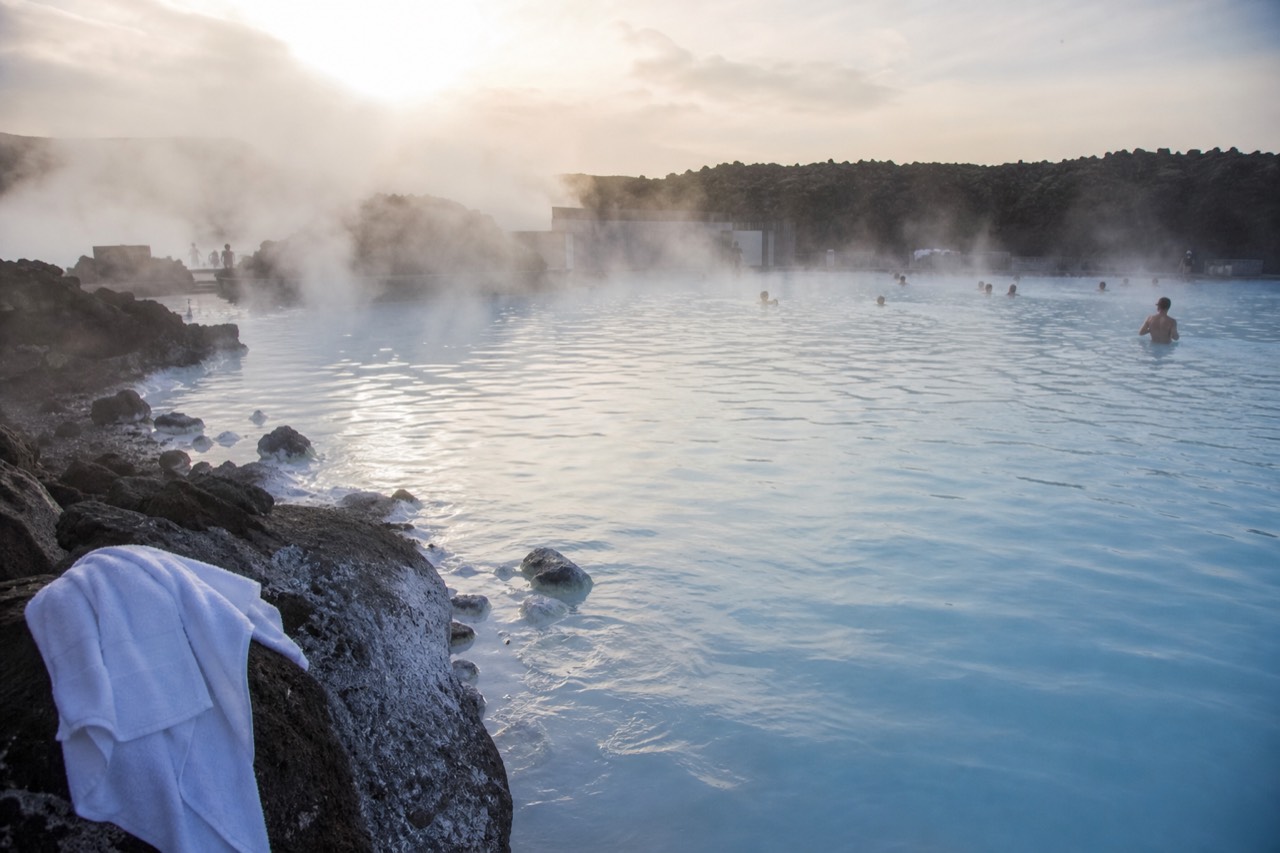
Yes, there is a smell, but it is faint. The Blue Lagoon's geothermal seawater carries a mild sulphur note that most visitors describe as slightly eggy near the steamier corners and barely noticeable elsewhere. It is considerably softer than the smell at Iceland's inland geothermal springs, and it is not a sign of dirty water. The lagoon's water fully renews itself roughly every 40 hours.
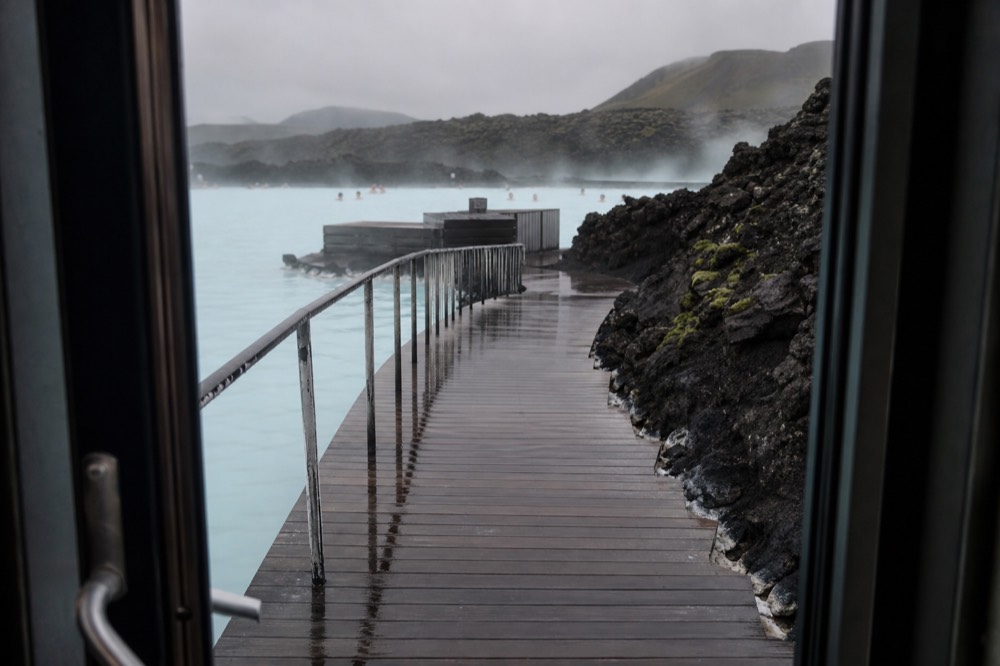
That short answer surprises people who have read forum threads written in alarmed capital letters. The Blue Lagoon sits in a lava field on the Reykjanes Peninsula, and its water is geothermal seawater: 70% ocean water and 30% freshwater, drawn from about two thousand metres underground, where temperatures reach around 240°C before the water cools to roughly 38°C by the time it reaches the lagoon. Sulphur is a natural part of that mix, and sulphur is what gives geothermal water everywhere its characteristic whiff.
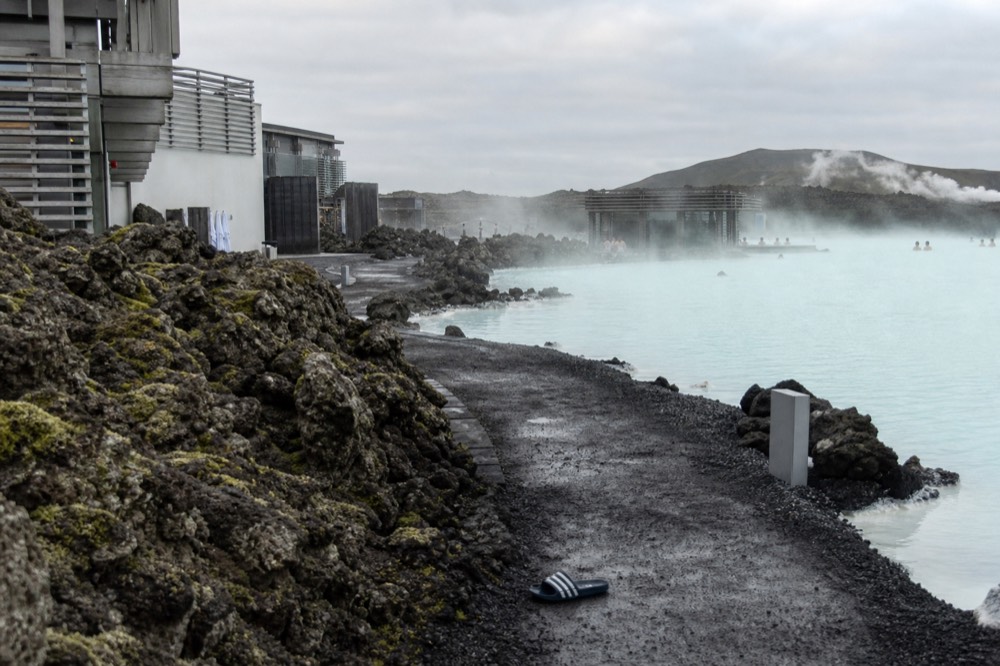
The venue's own account of the water, published on its water page, describes water "enriched with silica, algae, and minerals" rising through geothermal extraction wells. Silica is what gives the lagoon its famous blue colour, because of the way silica reflects sunlight. The algae is a genuinely unusual detail: an analysis conducted in 1996 revealed a completely novel species of blue-green algae in the lagoon ecosystem, later patented. Neither of those components smells of much at all. The sulphur does.
How much you notice depends on where you are standing. Steam concentrates the scent, so the sauna, the steam cave and the hotter edges of the lagoon carry more of it than the open water. People with a sensitive nose notice it on arrival and then stop registering it within minutes, which is the normal way human smell adaptation works. People who arrive braced for a rotten-egg wall usually report that it is far gentler than expected.
If you are still weighing whether the venue suits you at all, the practicalities are covered in detail in Blue Lagoon ticket options explained, and the broader question of value is tackled honestly in is the Blue Lagoon worth it. The smell question, though, is really a water-quality question in disguise, so that is where the rest of this article goes.
Where Does The Sulphur Smell Actually Come From?
The smell comes from sulphur and other dissolved minerals that geothermal water picks up underground. Rain and seawater percolate deep into the volcanic rock, get heated, dissolve minerals from the rock on the way back up, and arrive at the surface carrying them. Hydrogen sulphide is the compound human noses are best at detecting, and Iceland's geothermal areas all have some of it. The Blue Lagoon's seawater blend dilutes it.
Iceland sits on the Mid-Atlantic Ridge, and geothermal activity is woven through daily life there. Business Iceland, the official travel guide, notes that geothermal energy heats over 85% of homes and businesses in the country. Where there is geothermal heat, there is sulphur-bearing water, and Icelanders have lived with the smell for as long as anyone has bathed in hot springs. It is simply what the country's underground smells like when it reaches the surface.
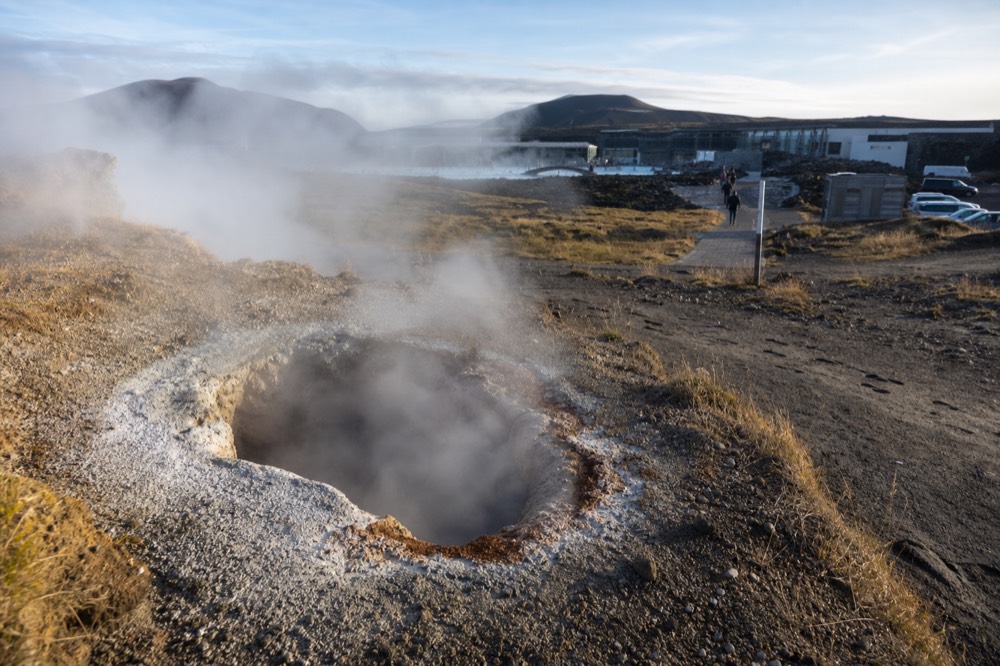
The Blue Lagoon itself formed by accident, in the venue's own telling. In the 1970s, water from the nearby Svartsengi geothermal power plant slowly collected into a warm reservoir on the lava field, and everyone expected it to seep through the porous lava and disappear. It did not, because the water's high silica content kept it from draining. Locals began bathing in the warm pool in the early 1980s, and a clinic for chronic skin conditions opened beside it in 1995. The smell was there the whole time; nobody considered it a problem, because it is the smell of the water itself rather than of anything added to it.
For comparison, an inland venue like Krauma, near Deildartunguhver in West Iceland, publishes a mineral analysis of its bathing water that lists iron, aluminium, calcium, magnesium and sulphur as the main components. That is a heavier mineral load than the Blue Lagoon's seawater blend, and bathers notice the difference in their noses. Krauma's water is cooled from Deildartunguhver's 100°C output with cold glacial water from Rauðsgil, and the spring itself pumps 180 litres of 100°C water per second, according to the venue, which uses the phrase "highest flow rate of hot springs in Europe" about it.
How Strong Is The Smell Compared With Other Icelandic Lagoons?
On any honest scale, the Blue Lagoon sits at the mild end. Inland, sulphur-heavy venues like Krauma or the Secret Lagoon carry a noticeably stronger eggy note, because their water is mineral-rich freshwater fed straight from hot springs. The Blue Lagoon's geothermal seawater, and the sea baths at Húsavík, smell milder. Nobody should book the Blue Lagoon expecting an odour-free spa, but nobody should skip it over the smell either.
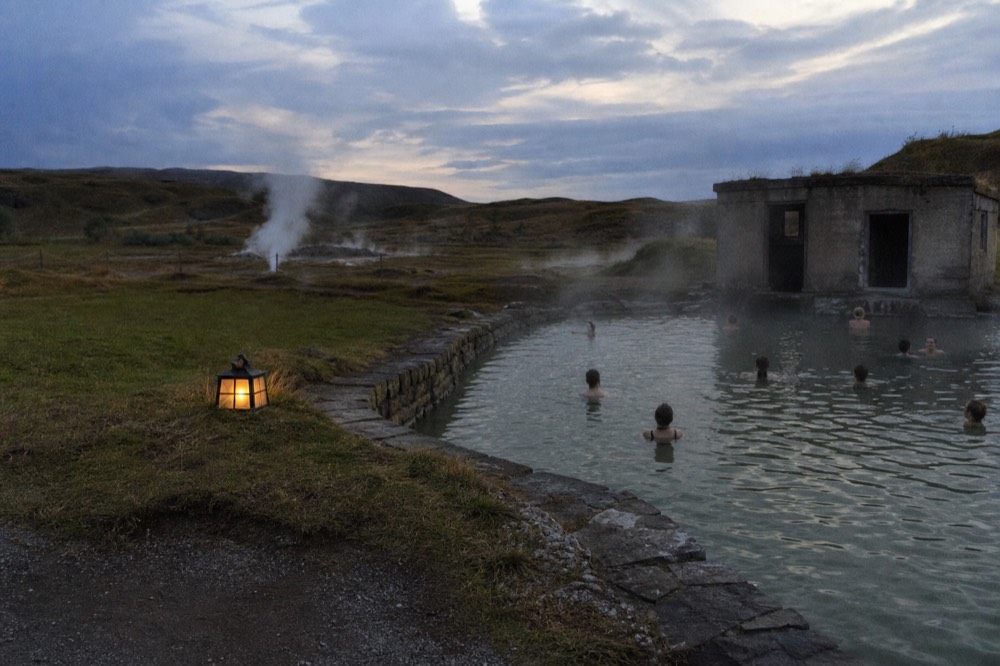
The difference is easiest to feel between two venues a few hours' drive apart. At the Secret Lagoon in Flúðir, the venue describes pool water that is "rich in sulfur" and stays at 38-40°C all year round, with the entire pool's water replacing itself in about 24 hours through continuous flow. The sulphur note there is part of the charm, and most reviews mention it the way you would mention the smell of the sea at a beach: present, natural, unremarkable after a few minutes.
At the other end of the country, GeoSea in Húsavík publishes a description of water that turned out to be hot seawater, too mineral-rich to heat houses, discovered when drilling at Húsavíkurhöfði in the mid-20th century. The venue says the steady flow of water from two drillholes, between the pools, over their edges and into the sea, keeps the water within the limits stipulated by health regulations with no cleaning agents needed. Seawater baths, in general, read as briny rather than eggy on the nose.
The Blue Lagoon sits between those poles, closer to the sea-bath end. Its blend is majority ocean water, and the ocean-water character tempers the sulphur. If you have bathed anywhere geothermal in Iceland before, the Blue Lagoon will smell familiar and gentle. If this is your first geothermal lagoon, expect a faint mineral note in the steamiest spots and very little in the open water.
One related question people ask alongside the smell is whether the water is safe to enter with a skin condition. The honest answer is that the venue itself makes no medical promises, and we do not either; that question, including what the clinic's history does and does not establish, is covered in is the Blue Lagoon good for eczema.
Is The Blue Lagoon Poo Water?
No. The Blue Lagoon is not poo water, and the question rests on a misunderstanding of what the smell and the colour mean. The water is untreated geothermal seawater that fully renews itself roughly every 40 hours, with no chlorine or other additives, because the natural renewal does the work. The sulphur smell comes from the source, not from anything in the water that should not be there.
This blunt phrasing appears on the same search results as the politer smell question, so it deserves a direct answer in its own words. The confusion usually starts with the colour. Geothermal water in Iceland is often milky or opaque, because dissolved silica and other minerals stay suspended in it, and people unfamiliar with that look sometimes assume cloudiness means dirtiness. It does not. The Blue Lagoon's iconic blue is, in the venue's own explanation, a result of the way silica reflects sunlight, not a sign of anything unclean. The full index of guides sits on Lagoons in Iceland.
The second source of the rumour is the lagoon's origin story: the water began as an outflow from the Svartsengi power plant. "Power plant water" sounds like industrial waste to an outside ear. But the venue's own account is that the lagoon formed when excess geothermal water did not drain through the lava, and that water is the same geothermal seawater described above, drawn from deep underground. Calling it waste water misreads what a geothermal plant actually does with water it has merely taken heat from.
The third source is the smell itself, which some visitors assume indicates sewage. Sulphur compounds are what human noses associate with decay, which is unfortunate, because in geothermal water they indicate nothing of the sort. The compound occurs naturally in volcanic groundwater across the world. Iceland's tap water in many regions carries a faint version of the same note, and the country's drinking supply is among the most closely monitored anywhere.
The fact that settles the question is the renewal rate. Blue Lagoon states on its own site that the geothermal seawater "fully renews roughly every 40 hours" and that it is "not chlorinated or treated in any way" because it does not need to be. A pool whose entire contents replace themselves in under two days, fed by a continuous geothermal flow, is not a stagnant pool. That 40-hour figure is the single most useful number in this whole debate, and it is the venue's own published claim.
Beyond the water itself, the venue also runs the strict pre-bath hygiene ritual that every Icelandic bathing facility runs: all guests must shower, without a swimsuit, before entering. That rule is not a suggestion, and it is the reason Iceland's pools can run on so little chlorine. The legal and cultural background to it is explained in Icelandic hot spring rules and etiquette.
How Does Each Lagoon's Water Stay Clean?
Iceland's lagoons stay clean in one of two ways: continuous natural flow that renews the water, or treatment with chlorine like any ordinary swimming pool. The major lagoons publish their approach, and most rely on flow rather than chemicals. The Blue Lagoon renews fully roughly every 40 hours, the Secret Lagoon replaces its water in about 24 hours, and Vök Baths and Earth Lagoon Mývatn both state their water is chlorine-free.
The table below gathers what each venue actually publishes about its water source and treatment, because the differences matter if the smell question is really a cleanliness question for you.
| Venue | Water source as published | Renewal and treatment as published |
|---|---|---|
| Blue Lagoon | Geothermal seawater, 70% ocean and 30% freshwater, from about 2,000 m underground | Fully renews roughly every 40 hours; not chlorinated or treated |
| Secret Lagoon, Flúðir | Continuously flowing geothermal freshwater, rich in sulphur | Complete replacement in about 24 hours |
| Earth Lagoon Mývatn | Water from the Bjarnaflag borehole, arriving at about 130°C and cooled to 36-40°C | Naturally alkaline, free of chlorine or added disinfectants |
| Vök Baths, Egilsstaðir | Natural hot spring water by Lake Urriðavatn | No chlorine or chemicals; purity maintained through continuous flow |
| GeoSea, Húsavík | Hot seawater from two drillholes | Steady flow through the pools and into the sea; no cleaning agents needed |
| Krauma, Reykholt | Water from Deildartunguhver, cooled with glacial water from Rauðsgil | Mineral-rich water; venue publishes no chlorine claim |
Notice what is not on that list: a lagoon that openly runs on chlorine. The pattern across the country is flow. Earth Lagoon Mývatn, for instance, publishes that its lagoon and surrounding basin circulate approximately 3.5 million litres of geothermal water, arriving from the borehole at around 130°C and cooled to a bathing temperature of 36-40°C, naturally alkaline and free of chlorine or added disinfectants. Vök Baths says much the same about its spring by Lake Urriðavatn. The Earth Lagoon water page is worth reading if you want to see how a venue explains this in its own voice.
The untreated-water approach is also why the shower rule is enforced so seriously. Icelandic health regulation nr. 814/2010 requires bathing facilities to display instructions that guests wash themselves without swimwear before entering the pool, and to provide mild liquid soap for the purpose. Reykjavík City's own guidance to swimmers ties the rule directly to limiting chlorine use. Where water is untreated or lightly treated, the people entering it are part of the filtration system, in effect. So the faint sulphur smell and the strict showers are two halves of the same design choice: clean water, kept clean by geology and hygiene rather than by chemicals.
Does The Smell Affect Your Hair, Jewellery Or Contact Lenses?
The smell itself affects nothing, but the minerals behind it do have published effects worth knowing. Blue Lagoon advises guests to apply conditioner to hair before entering and leave it in, because silica can make hair temporarily stiff. It also recommends removing jewellery, which can tarnish, and removing contact lenses, which the mineral-rich seawater can irritate. None of this is about odour, and none of it is dangerous.
These are the venue's own published advisories, not internet folklore. The hair point is the one most visitors wish they had known in advance: geothermal seawater has high levels of silica, and while the venue says it is not harmful to hair, it can leave hair stiff and difficult to manage until washed. Conditioner before you get in, left in while you soak, is the stated fix. The full story, including what happens if you skip it, is in why you should protect your hair at the Blue Lagoon.
Jewellery is the quieter risk. Blue Lagoon recommends removing jewellery before entering because geothermal seawater, rich in silica, algae and minerals, can tarnish it. Earth Lagoon Mývatn gives the same advice for a different reason: its water is naturally rich in sulphur, which can discolour or tarnish silver and copper specifically. If you wear a silver ring into a sulphur-bearing lagoon anywhere in Iceland, expect it to come out darker.
Contact lenses and prescription glasses get a mention too. Salt, minerals and other elements in the seawater can irritate eyes, so the venue recommends removing lenses before entering, and notes that silica might damage spectacle lenses if submerged. None of these advisories amount to a reason to stay out of the water. They are the same kind of practical notes a pool anywhere would give, adjusted for mineral-rich geothermal seawater instead of chlorine.
One thing the smell does not do is linger on you. A normal shower with soap after your soak, which the facilities provide for, removes the mineral note from skin and hair entirely. Some visitors report their swimsuit holding a faint scent through a wash or two, which is a known quirk of geothermal bathing everywhere; rinsing the suit thoroughly before it dries helps.
Common Questions About The Blue Lagoon's Smell
Is There A Smell At The Blue Lagoon In Iceland?
Yes, a faint one. The geothermal seawater carries a mild sulphur note, strongest near the steam bath, sauna and hotter edges, and barely noticeable over the open water. It is gentler than the smell at Iceland's inland sulphur springs, and it fades from your awareness within minutes of entering.
Is the Blue Lagoon poo water?
No. The water is untreated geothermal seawater that fully renews roughly every 40 hours, with no chlorine added, because the natural renewal does the cleaning. The sulphur smell comes from dissolved minerals in the geothermal source, not from contamination. The cloudy blue colour is suspended silica, the same mineral that gives the lagoon its colour.
Why does geothermal water smell like eggs?
Because it contains sulphur compounds picked up as the water passes through volcanic rock underground. Human noses are extremely sensitive to these compounds, which we associate with decay, but in geothermal water they are natural and harmless. Every geothermal bathing site in Iceland has some version of the smell.
Does the Blue Lagoon use chlorine?
No. The venue states the water is not chlorinated or treated in any way, because the geothermal seawater fully renews roughly every 40 hours. That is also why the naked pre-bath shower is strictly enforced: with little or no chlorine, guest hygiene is what keeps the water clean.
Will the smell stick to my hair or swimsuit?
The smell washes off skin and hair with an ordinary post-soak shower. Hair can feel temporarily stiff from silica, which is why the venue recommends applying conditioner before entering and leaving it in. A swimsuit may hold a faint mineral scent after a normal wash; rinsing it thoroughly before it dries reduces this.
Is the smell stronger at some lagoons than others?
Yes. Inland freshwater venues like the Secret Lagoon and Krauma, whose water is mineral-rich spring water, carry a noticeably stronger sulphur note than the Blue Lagoon's seawater blend. Sea-fed baths like GeoSea in Húsavík read as briny rather than eggy. The Blue Lagoon sits near the milder end of the range.