What Is The Best Month To Go To Iceland?
A month-by-month look at what actually decides an Iceland lagoon trip: published seasonal hours, aurora darkness, highland access, boat seasons and which venues shorten their days in winter.
What Is The Best Month To Go To Iceland?
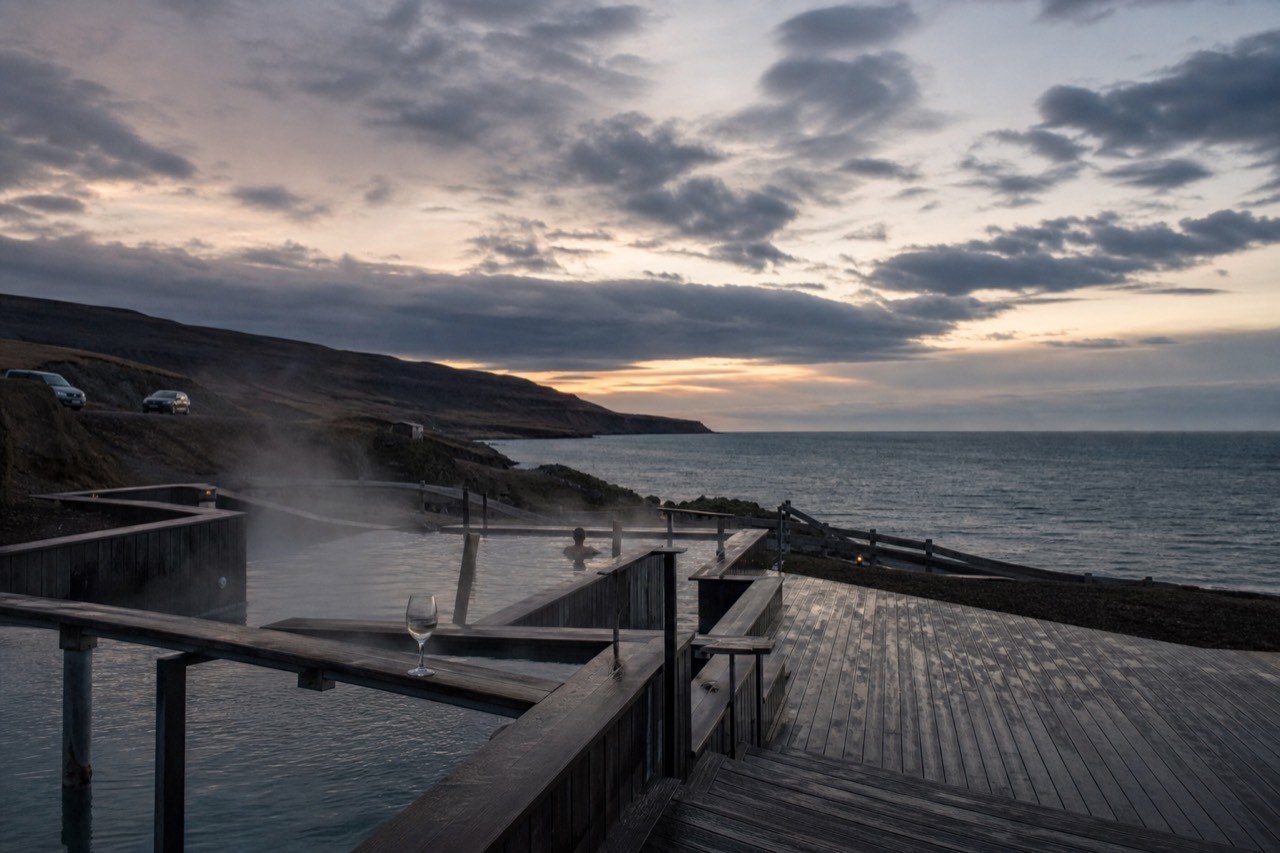
There is no single best month, because Iceland's two headline experiences need opposite conditions. Geothermal lagoons are open in every month of the year, but the northern lights need the dark half of the calendar, roughly September to April, while the highland roads and the Highland Baths at Kerlingarfjöll only exist for visitors between 15 June and 30 September. The honest answer is that the best month depends on which of those you refuse to miss.
That trade-off is the whole decision, and it is worth being blunt about it. A traveller who lands in July gets midnight-bright evenings, every mountain road the Road Administration has opened, a lagoon scene running at its longest published hours and boat tours on both glacier lagoons. What that traveller does not get is a sky dark enough for aurora, because the official season for that runs from September to April, and Business Iceland is explicit that there are no guarantees even inside it. A traveller who lands in February gets the darkness and the ice caves, but the highlands are closed, the glacier lagoon boat season is over, and several lagoons run their shortest hours of the year.
The month question, for this site, is really a lagoon question. Nearly every venue on our roster changes something with the seasons: opening windows, last-entry times, boat schedules, or whether the venue exists at all until June. This article walks the calendar using what the venues themselves publish, rather than averages and guesses, and it names the two firm seasons in the whole system: the Highland Baths at Kerlingarfjöll run 15 June to 30 September only, and Fjallsárlón sells its ice-floating tour all year while its Zodiac boats stop for winter.
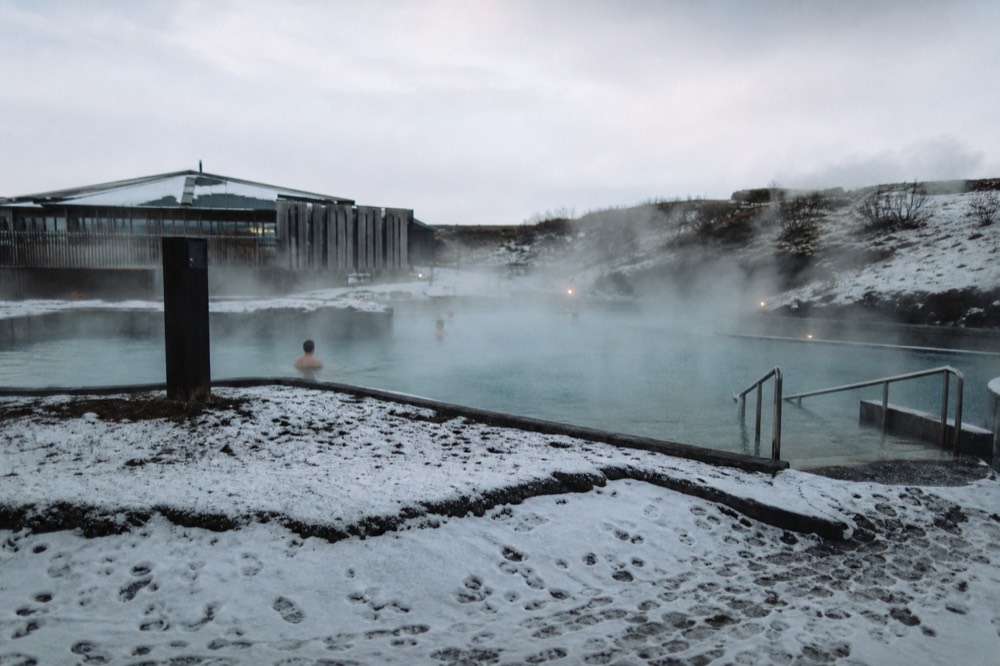
If you want a shortcut before the detail: pick a shoulder month. June and September each hand you a piece of both halves of the year, long lagoon hours and, in September, the first properly dark nights. The rest of this page explains what each stretch of the calendar delivers, and where the published schedules contradict themselves.
Which Months Give You The Longest Lagoon Hours?
Summer, and specifically the window from mid-June to mid-August, is when lagoon hours peak. Sky Lagoon runs 8 a.m. to 11 p.m. from 21 June to 20 August, Blue Lagoon stretches to 07:00-23:00 from 15 June to 20 August, and Vök Baths runs to 23:00 from 15 June to 15 September. From late August the same venues begin trimming their days, and by deep winter several close in the early evening.
The pattern is consistent across the roster: venues publish a summer block with late closing times, then a shoulder block, then a winter block that is shorter at both ends. Blue Lagoon, which states it is open every day of the year, still cuts its window to 08:00-20:00 between 1 February and 31 May. Secret Lagoon drops from a 10:00-20:00 summer day to 10:00-19:00 in winter. Fontana shifts its opening from 10:00 to 11:00 on 1 October. None of these are closures, they are shorter days, and the practical effect is on planning rather than possibility: a winter arrival at 18:30 may already be past last entry somewhere.
| Venue | Summer hours (published) | Winter hours (published) |
|---|---|---|
| Blue Lagoon | 15 Jun-20 Aug, 07:00-23:00 | 21 Aug-31 Jan, 08:00-22:00; 1 Feb-31 May, 08:00-20:00 |
| Sky Lagoon | 21 Jun-20 Aug, 8 a.m.-11 p.m. | 21 Oct-30 Apr, 10 a.m.-9 p.m. |
| Secret Lagoon | 1 Jun-30 Sep, 10:00-20:00 | 1 Oct-31 May, 10:00-19:00 |
| Fontana | 1 Jun-30 Sep, 10:00-21:00 | 1 Oct-31 May, 11:00-21:00 |
| Vök Baths | 15 Jun-15 Sep, 10:00-23:00 | 16 Sep-14 Jun, 12:00-22:00 |
| Hvammsvík | 1 Jun-20 Aug, 10:00-22:00 | 21 Aug-31 May, 10:30-20:30 |
| GeoSea | 1 Jun-31 Aug, 10:00-00:00 | 1 Oct-31 Mar, 12:00-22:00 |
| Earth Lagoon Mývatn | 12:00-22:00 daily | 12:00-22:00 daily |
| Krauma | 11:00-21:00 daily | 11:00-21:00 daily |
Two venues on that list publish the same hours all year, which is itself useful information if your trip is anchored to a dark-season month. Earth Lagoon Mývatn and Krauma do not shorten for winter, and Krauma keeps its restaurant on the same 11:00-21:00 schedule. GeoSea is the venue with the widest swing, from a midnight summer close to a midday winter opening.
One caveat belongs here rather than repeated later: a few venues publish their hours inconsistently between pages, and where that happened in our research we have either given the range or left the figure out. Forest Lagoon's own site shows two different opening times on the same pages, so we do not print one. The table above sticks to hours a venue publishes consistently.
When Is The Aurora Season, And What Can You Actually Count On?
The official aurora season runs from September to April, and the honest position is that nothing is guaranteed. Business Iceland's own wording is that there are no guarantees you will see the northern lights during your stay, with sightings generally improved away from populated areas and light pollution. Activity is described as strongest around the equinoxes in September and March, and around midnight.
That is the entire set of claims this site is willing to stand behind, because it is the entire set the official sources make. Anything more specific, a percentage chance, a best-night promise, a guarantee attached to a particular lagoon, is not something any official Icelandic body publishes, and we will not invent it. What we can say is structural: the dark half of the year is the only half in which the question exists at all, and within it, clear skies matter more than the calendar. The Icelandic Met Office maintains an aurora forecast page with a cloud overlay and a six-day outlook, which is the tool to watch in the days before a soak.
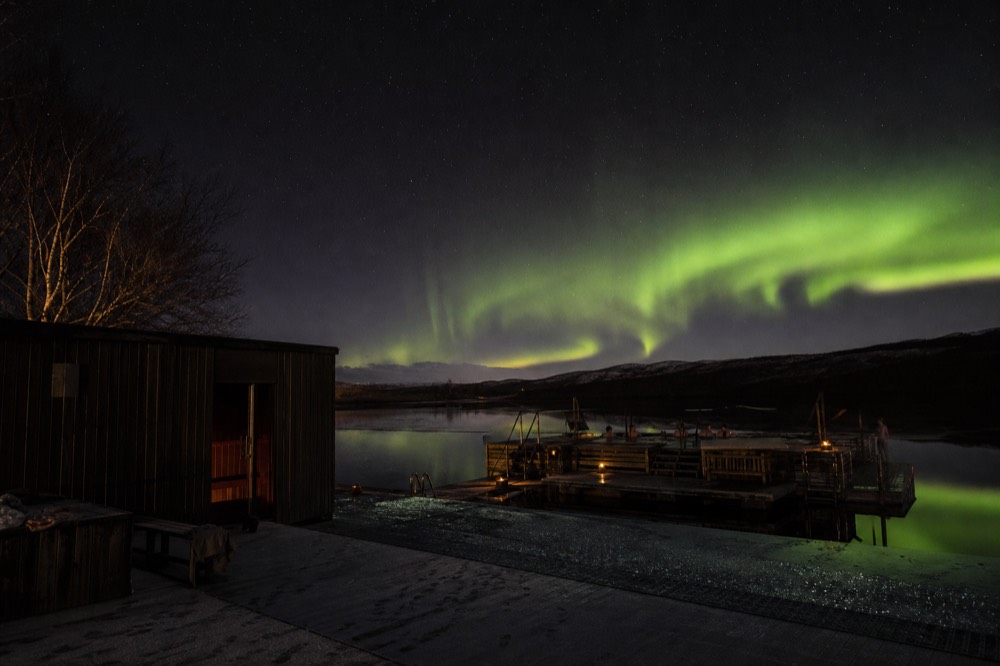
For lagoon planning, the aurora season overlaps neatly with the short-hours season, which cuts both ways. A dark November evening at a lagoon is the classic image, and venues like Sky Lagoon are open into the evening in winter. But the same November trip has the highlands closed, the Jökulsárlón Zodiac season finished, and a real chance of weather closing roads. If aurora is the priority, the trade is worth it; if it is a bonus, a March or late-September trip buys darkness without giving up as much of the rest. We look at the darkness question in more depth in northern lights viewing from Sky Lagoon, and the official framing is on Business Iceland's northern lights page.
What About The Highlands And The Mountain Roads?
The highland bathing season is short and firm: the Highland Baths at Kerlingarfjöll are open to the public from 15 June to 30 September only, with admission from 11:00 to 23:00. Mountain road openings are not fixed dates at all; the Road Administration states that openings depend on weather and snowpack, with wet roads also causing late openings, and publishes estimated dates on its own seasonal page.
This is the one part of the calendar where a hard line exists. Kerlingarfjöll sits behind F-road access, and the baths simply do not operate outside that summer window, so a trip built around them has to land between mid-June and the end of September. The Road Administration's framing is the only safe one: it publishes a Highlands Map in spring that updates as conditions change, plus an information page with estimated opening dates for the main mountain roads. We deliberately do not restate any live road status here, because the status lines circulating on commercial road sites are not the authority's own, and a status is stale the day it is written down. Check Vegagerðin's mountain roads page directly, and call 1777 for current conditions.
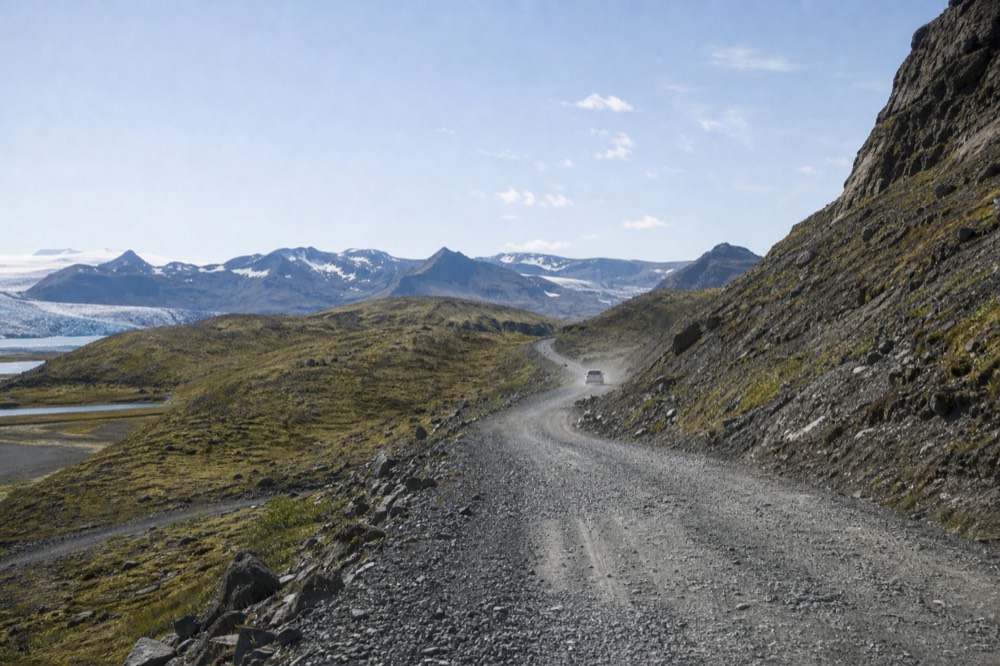
For everything outside the highlands, the road question mostly answers itself: Route 1 runs year-round, and the glacier lagoons sit on it. The venues that need mountain roads are the exception, which is why the Highland Baths at Kerlingarfjöll are a June-to-September product on this site and nothing else. A September trip is the sweet spot for the highlands, since the baths are still open and the first dark evenings are arriving.
Which Lagoon Products Only Run In Certain Months?
The glacier lagoon boat season runs roughly May to October or November, and the operator's own site publishes conflicting end dates, so treat late-season boats as weather-dependent. The Jökulsárlón amphibian tours are listed May-Nov and the Zodiac May-Oct, while the operator's FAQ says boats usually run early May through October. Fjallsárlón's Zodiac runs Apr-Nov, and its ice-floating tour runs all year.
The boat contradiction is worth spelling out because travellers plan around it. The same operator page that sells amphibian tours with a May-Nov season label also carries an FAQ saying tours usually operate from early May through October, and a footer listing tour hours through 15 November. We are not going to resolve that for the operator; the practical reading is that a May-to-October trip is safe for boats, early November is possible but uncertain, and from mid-November to April the lagoon is a shoreline experience, which is still a genuinely good one. Our Jökulsárlón amphibian versus Zodiac comparison carries the full detail.
| Product | Published season | Notes |
|---|---|---|
| Jökulsárlón amphibian boat | May-Nov (operator also says early May-Oct) | 30-40 min; operator's own dates conflict |
| Jökulsárlón Zodiac | May-Oct | Children must be at least 130 cm tall |
| Fjallsárlón Zodiac boat tour | Apr-Nov | 75 min |
| Fjallsárlón ice floating | All year | 1.5 hrs, thermal immersion suit |
| Highland Baths, Kerlingarfjöll | 15 Jun-30 Sep only | F-road access; adults ISK 5,500 |
| Vök Baths | Year-round venue | Hours shift on 15 Jun and 16 Sep |
| Sky Lagoon | Year-round venue | Hours shift four times a year |
| Blue Lagoon | Year-round venue | States it is open every day of the year |
The Fjallsárlón ice-floating tour is the interesting outlier: it is the one glacier-water product that runs through the winter, putting bathers in thermal immersion suits among icebergs for 1.5 hours at ISK 15,900, with a warm drink afterwards at the on-site restaurant. If a February trip wants glacier water without boats, that is the product that answers it.
What Stays Open All Year?
Every geothermal lagoon on this roster is a year-round venue, and several keep identical hours through the calendar: Krauma runs 11:00-21:00 daily and Earth Lagoon Mývatn runs 12:00-22:00 daily, with reduced hours only on a handful of holidays. What changes in winter is the length of the day at the venues that publish seasonal blocks, and the closure of the highland and boat products covered above.
That distinction matters for the month decision more than it first appears. The core experience, hot water in a dramatic landscape, is available in December exactly as in July, and some venues barely acknowledge the season: Krauma closes only on Christmas Day and New Year's Day, with shortened hours on 24 and 31 December. Earth Lagoon Mývatn, which reopened with expanded facilities on 27 July 2026, publishes one daily window all year. Forest Lagoon in Akureyri runs a free shuttle in every season, with the schedule shifting between its low-season and high-season timetables.
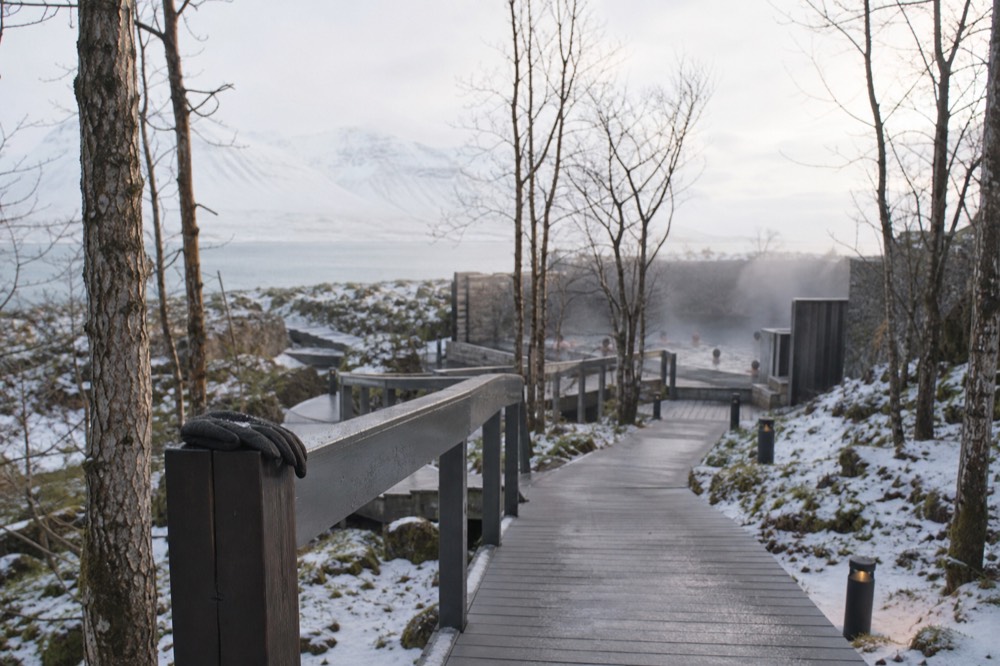
Sky Lagoon is the year-round option we point most people toward when the calendar is undecided, because its schedule is published in four clean seasonal blocks and its ritual pass is the same product in every month. The pass starts from $117 on the live listing, and the venue's hours stretch to 11 p.m. in summer and settle to 9 p.m. in winter, so it works as either a long summer evening or a dark winter one. Booking ahead matters in every season; the venue asks guests to leave the lagoon 30 minutes before closing, and timed entry means the slot you book is the slot you get.
So Which Month Actually Wins?
For most visitors, September wins: the aurora season has begun with the official September-to-April window, every lagoon is on or near its summer hours, the Highland Baths are open until 30 September, and the glacier lagoon boats run through the month. June is the runner-up for the opposite profile, maximum daylight and every seasonal product live, at the cost of no darkness for aurora.
March is the dark-side alternative: full aurora darkness, all geothermal lagoons open, and the ice-floating tour at Fjallsárlón running, but no highlands and no boats. Midwinter, December to February, is the most committed choice, shortest lagoon hours and the most weather risk, in exchange for the darkest skies and the ice caves. And the months to think twice about are the shoulder edges: May, when several venues are still on winter hours and the boat season is only just starting, and November, when the boat operator's own published seasons disagree with each other about whether you can still sail.
A simple way to hold the whole calendar in your head: geothermal water is a constant, darkness is a season, and the highlands are a summer guest. Pick which of those three you are travelling for, and the month picks itself. Whatever you choose, this site exists to help you plan it, and Lagoons in Iceland covers every venue on the roster in the same published-facts detail as this page.
Common Questions About The Best Month To Visit Iceland
What Is The Best Month To Go To Iceland?
There is no single best month. September suits most visitors, because the official aurora season has started, lagoons are still on long hours, the Highland Baths are open until 30 September and the glacier lagoon boats run. June suits visitors who want maximum daylight and every seasonal product, accepting that aurora is off the table.
Can you see the northern lights in every month?
No. Business Iceland states the northern lights season runs from September to April, with sightings generally improved away from populated areas, and it is explicit that there are no guarantees during your stay. Between May and August the nights are too bright for practical viewing.
Are any lagoons closed in winter?
None of the geothermal lagoons on our roster close for winter. They shorten their hours instead: Blue Lagoon runs 08:00-20:00 from February to May, Sky Lagoon runs 10 a.m. to 9 p.m. from late October to April, and Secret Lagoon closes at 19:00 in winter. The Highland Baths at Kerlingarfjöll are the exception, open only from 15 June to 30 September.
When do the glacier lagoon boat tours run?
Roughly May to October, with uncertainty at the edges. The Jökulsárlón operator lists its amphibian season as May-Nov and its Zodiac season as May-Oct, while its own FAQ says boats usually run from early May through October, so treat November as weather-dependent. Fjallsárlón's Zodiac runs April to November, and its ice-floating tour runs all year.
Do I need to book lagoon tickets in advance in every season?
Yes. Blue Lagoon says pre-booking is essential, Sky Lagoon and Forest Lagoon operate timed entry, Vök Baths does not accept walk-ins from June to August, and Secret Lagoon says it cannot guarantee a spot without a booking. Advance booking matters in every month, not just peak summer.