Can You Swim In Jokulsarlon?
No, you cannot swim in Jokulsarlon glacier lagoon. Here is why the water is off limits, the boat tours that put you on it instead, and the geothermal lagoons you can actually get into.
Can You Swim In Jokulsarlon?
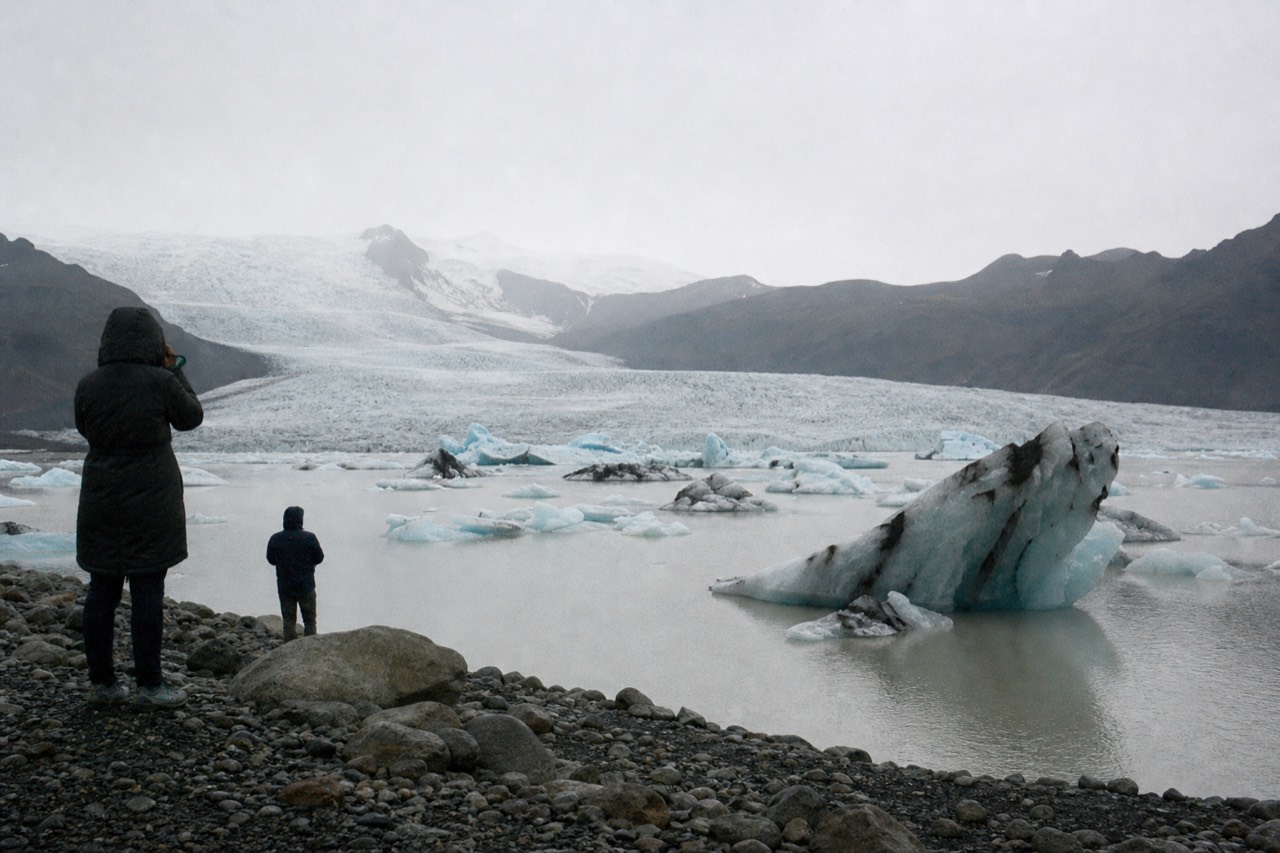
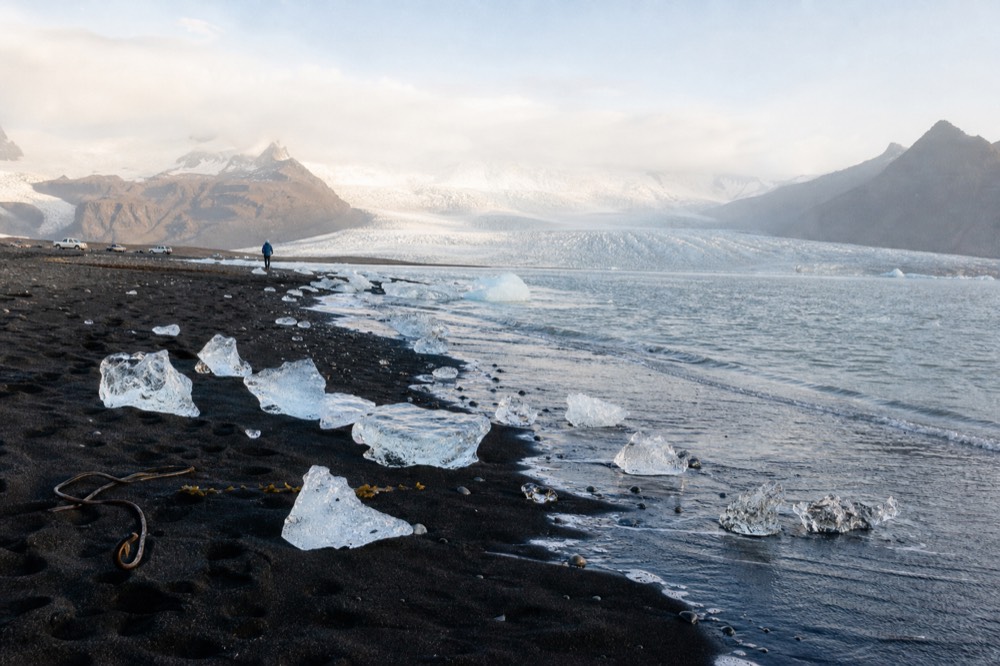
No. Jokulsarlon is a glacier lagoon filled with meltwater and drifting icebergs, not a geothermal bathing lagoon, and swimming in it is not something anyone does or should attempt. The water is cold enough to be dangerous within minutes, the lagoon sits at sea level and exchanges water with the North Atlantic at high tide, and the only sanctioned way onto the surface is a boat tour. The confusion is understandable, because Iceland markets both kinds of lagoon, geothermal and glacial, and the two could hardly be more different. A bathing lagoon is engineered, heated and ticketed for soaking. A glacier lagoon is a natural lake being born in real time, as Breiðamerkurjökull retreats and calves ice into it. The Lagoons in Iceland site exists partly to keep these two categories straight, and this question is the clearest example of why that matters.
If you arrived here dreaming of warm water under open sky, the good news is that Iceland has plenty of it, and much of it is bookable in advance. The three options below are the ones we would point a confused searcher at first: a glacier lagoon you can ride across, the cheapest geothermal soak on the Golden Circle, and a floating geothermal bath in the east of the country.
What The Water At Jokulsarlon Is Actually Like
The lagoon surface sits at sea level, seawater flows in at high tide, and the water is a mix of glacial melt and ocean, with icebergs from Breiðamerkurjökull drifting across it toward the sea. The operator at the lagoon describes the ice on its amphibian tours as 1000-year-old ice, and the national park says the lakes on this sandur only began appearing in the 1930s as the glaciers retreated. None of that adds up to swimming water. Glacial melt is close to freezing, and the lagoon's connection to the open ocean means the conditions at the mouth change constantly with the tide. We do not publish current speeds or tidal figures for the lagoon mouth, because no official source publishes them either, and inventing a number would be worse than saying nothing.
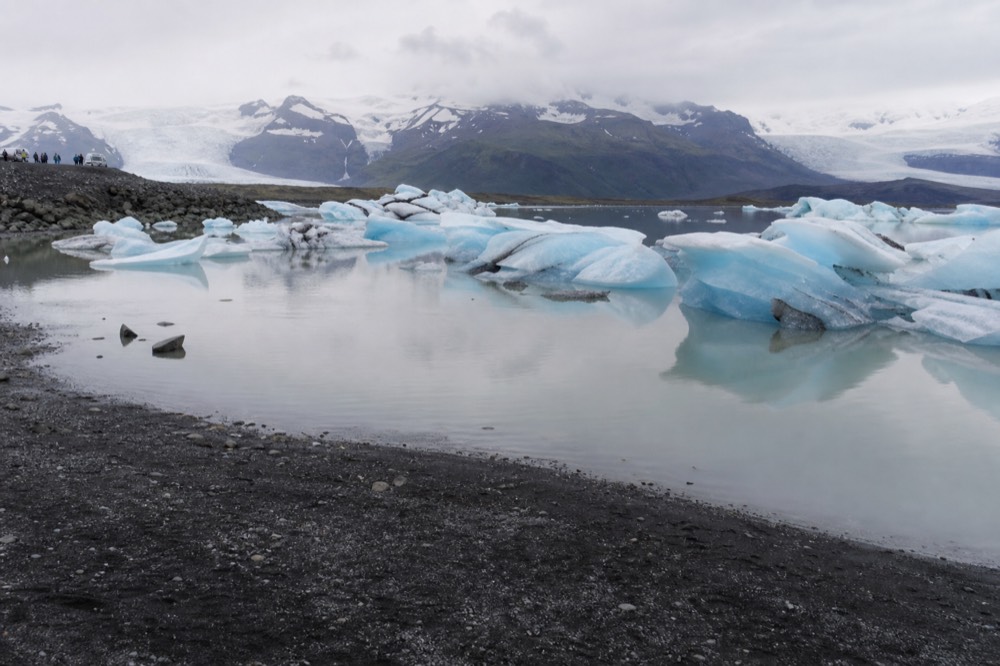
The lagoon is also a wildlife site, not just a photo stop. The national park notes that Breiðamerkursandur is an important nesting ground for the great skua, the red-throated diver, the greylag goose and the barnacle goose, and that large seal colonies gather where the rivers flow to the sea. Seals are a genuine draw at Jokulsarlon, and they haul out on the ice. They are also one more reason the water is not for people: an animal that lives in near-freezing water is comfortable in conditions that put a human in serious trouble fast.
There is no published rule we could find stating a marked safe distance from the water, and no verified record of anyone being fined for walking on an iceberg, so we will not claim either. What we can report is the standing instruction from Vatnajökull National Park and Business Iceland for hazardous nature sites generally: follow the instructions given by warning signs, and respect rails and fences, because they are there for a reason. The park's rangers supervise Jokulsarlon, the beach at Fellsfjara and Fjallsarlon every day of the year. For a fuller rundown of the two boat types that operate on the lagoon, see our guide to Jokulsarlon boat tours, amphibian versus Zodiac.
The lagoon is also deeper than many visitors expect. The national park gives Jokulsarlon's depth as up to 248 metres, which makes it Iceland's deepest lake, and its surface area as roughly 18 square kilometres. The park also reports that the lagoon has been growing by around 0.5 square kilometres per year in recent years, and that Breiðamerkurjökull has retreated several kilometres since the 1930s. That growth is the same process that created the lagoon in the first place, and it means the shoreline you see today is not the one older guidebooks describe. It also means more ice is calving into the water, so the number of icebergs drifting toward the mouth is not a fixed quantity.
If you want to be in the water rather than beside it, the honest answer is that Jokulsarlon offers no legal way to do that, but Iceland does have a legal, regulated alternative. The country has 26 certified bathing sites, and the one nearest to the lagoon is a geothermal pool in Hofn, about 80 kilometres east. It is a completely different experience from a glacier lagoon, but it is the option that exists.
Getting Onto The Water: The Boat Tours
Yes, you can get onto Jokulsarlon, but only by boat. The operator runs amphibian tours, 30 to 40 minutes, adults 7100 ISK for 2026, and Zodiac tours, about 1 hour 15 minutes, adults 16600 ISK, with children needing to be at least 130 cm tall for the Zodiac. The amphibian season is listed as May to November and the Zodiac season as May to October, but the operator itself notes on the same page that tours usually run from early May through October depending on weather and ice conditions, so treat any single season date as soft. In June to August, amphibian departures run at least every 30 minutes, and the Zodiac has 10 departures during high season. Advance booking is recommended, especially in summer.
The amphibian tour is the family-friendly option, suitable for all ages, and it is the one where the crew hands around pieces of the ice, which the operator advertises as 1000-year-old ice. The Zodiac covers more of the lagoon and gets closer to the icebergs, and when conditions allow it goes almost all the way up to the glacier face, as close as is safe. Neither tour involves getting in the water, and that is the point: the water is the hazard, the boat is the solution.
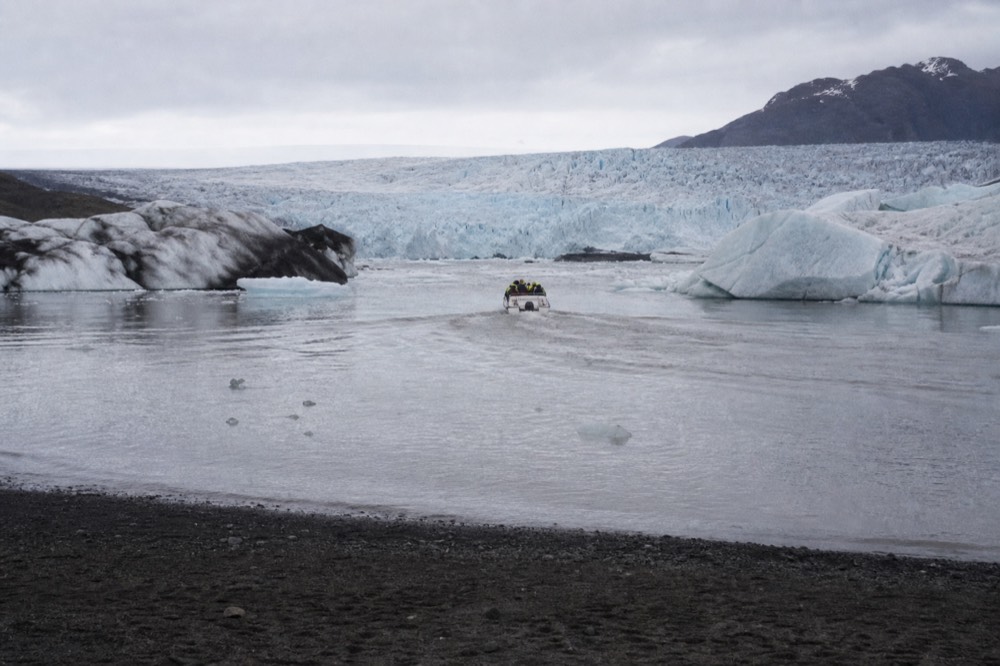
Jokulsarlon is not the only glacier lagoon with boats on it. Just to the west, Fjallsarlon runs a 75-minute Zodiac iceberg tour from April to November, alongside a year-round ice-floating tour where you wear a thermal immersion suit and drift among the icebergs, which is the closest thing in Iceland to being in glacier water on purpose. We compare the two lagoons in detail in our guide to Fjallsarlon glacier lagoon Zodiac tours. The Fjallsarlon boat tour is also the highest-rated product on our whole roster, 4.9 across 67 reviews, from $81.61 per person.
One more practical point that changed recently: Jokulsarlon now charges for parking, 1110 ISK per passenger car, valid until midnight on the day paid, with a 50 percent discount if you visit another park service area the same day. Both glacier lagoons also run free ranger-led interpretive walks in 2026, daily at 11:00 at Jokulsarlon from June 1 to September 30, and daily at 15:00 at Fjallsarlon from June 15 to August 15. Those walks are free, need no booking, and are the only way to get the rangers' own account of the place.
The Water You Can Actually Get Into: Geothermal Lagoons
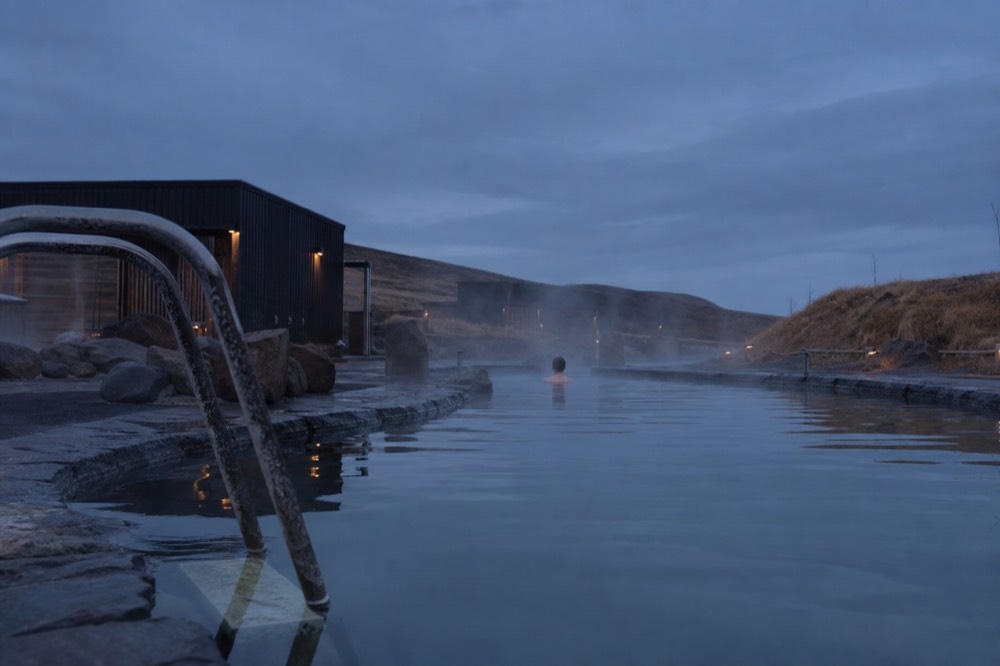
Every bathing lagoon in Iceland is geothermal, and the closest ones to Jokulsarlon's corner of the country are in the east and north. Secret Lagoon at Fludir holds 38 to 40 degrees Celsius year round and replaces its entire water volume every 24 hours, Vok Baths near Egilsstadir sits on a lake with pools up to 41 degrees, and Sky Lagoon outside Reykjavik runs 38 to 40 degrees. These are the venues where swimming, or rather soaking, is not just allowed but the entire product. The distinction between the two lagoon types is worth understanding before you book anything, and we break it down in glacier lagoon or geothermal lagoon.
Here is the core comparison in one table:
| Glacier lagoon water (Jokulsarlon) | Geothermal lagoon water (Secret Lagoon) | |
|---|---|---|
| Temperature | Near freezing, glacial melt and seawater | 38-40°C year round |
| What you do in it | Nothing; you view it or ride a boat across it | Soak, at your leisure within opening hours |
| Water source | Meltwater from Breiðamerkurjökull calving into the lake | Continuously flowing geothermal water, full replacement every 24 hours |
| Access | Boat tour only, no swimming | Ticketed bathing, towel and swimsuit rental on site |
| Adult price | Amphibian boat 7100 ISK | 4500 ISK at the venue |
Secret Lagoon, known locally as Gamla Laugin, is the cheapest ticket on our entire roster at from $35, rated 4.7 across 2,124 reviews, and it is the venue's own claim that it is the oldest swimming pool in Iceland, made in 1891 at Hverahólmi near Fludir. Whether or not the superlative holds up, the history is real: the venue says the first swimming lessons in Iceland were held there in 1909. For a bathing experience on the Golden Circle route, it is the obvious budget answer, and its water is warm, sulphur-rich and continuously replaced.
Which Lagoons You Can Enter, And Which You Can Only Float On
On our fourteen-ticket roster, every geothermal lagoon is one you enter, and the only glacier-water products bookable in advance are at Fjallsarlon: the Zodiac iceberg boat tour and the year-round ice-floating tour, where you are in a thermal immersion suit rather than a swimsuit. There is no Jokulsarlon admission ticket, because the lagoon itself is free to walk beside, and the paid products there are day tours and guided add-ons from Reykjavik rather than lagoon entry. That asymmetry trips up a lot of planners: people search for Jokulsarlon tickets, find 14-hour day tours, and wonder where the two-hour soak went.
The table below sorts the main options by what you actually do in or on the water:
| Venue | Type | You get in the water? | You get on the water? |
|---|---|---|---|
| Jokulsarlon | Glacier lagoon | No | Yes, by boat tour |
| Fjallsarlon | Glacier lagoon | Only in a thermal suit on the ice-floating tour | Yes, Zodiac or luxury boat |
| Secret Lagoon | Geothermal | Yes, soaking | No |
| Vok Baths | Geothermal | Yes, soaking | No, though the pools float on a lake |
| Sky Lagoon | Geothermal | Yes, soaking and cold plunge | No |
| Blue Lagoon | Geothermal | Yes, soaking | No |
Vok Baths deserves its line in that table for a reason beyond geography: the venue itself claims its two pools are Iceland's only floating pools, sitting on Lake Urridavatn just northwest of Egilsstadir. It is the only paid lagoon in the east of the country, from $64 with a 4.7 rating across 427 reviews, and if your route takes you past Jokulsarlon toward the east fjords, it is the natural place to get into warm water on the same trip. The venue publishes a temperature range across its pools rather than one figure, so we will not print a single number, but the main pool and the two floating pools are the draw, along with a tea bar serving herbal tisane included with admission.
Staying Safe At The Shoreline
The standing safety instruction for Jokulsarlon and its beach is the general one from the national park and Business Iceland: follow warning signs, respect rails and fences, and stay well back from the water's edge, never turning your back on the sea. The Icelandic Association for Search and Rescue, which runs safetravel.is, warns that black sand beaches are as dangerous as they are beautiful because of sneaker waves, waves that surge far higher and further than expected with zero warning, and that children must always be accompanied by an adult near the water. The emergency number in Iceland is 112, and safetravel.is carries a backup number, 599-0112, for cases where a 112 call will not connect or has poor audio.
We want to be precise about scope here, because a lot of copy online gets it wrong. The warning-light system, yellow, orange and red, that safetravel.is describes belongs to a beach with a cliff and falling-rock hazard, and Business Iceland attaches its fatality warnings to Reynisfjara, Kirkjufellsfjara and Djupalonssandur, not to the beach at Jokulsarlon. We found no official source applying that light system or a fatality record to Breiðamerkursandur, so we will not claim one. What applies everywhere is the instruction above, plus the park's own note that no overnight stays are permitted at Breiðamerkursandur and that rangers supervise the area daily year-round.
The practical reading for a visitor is simple. Watch the icebergs from the shore, take the boat if you want to be among them, keep children close near any water, and save the swimming for water that was designed for it. Iceland has roughly a dozen geothermal lagoons where getting in is the whole point, and every one of them is a better swim than a glacier lake ever could be.
If you are still weighing how to spend a southeast Iceland day, these three picks cover the range: the glacier lagoon you can ride, the Golden Circle soak, and the floating baths in the east.
Common Questions About Swimming In Jokulsarlon
Can You Swim In Jokulsarlon?
No. Jokulsarlon is a glacier lagoon with near-freezing meltwater, drifting icebergs and a tidal connection to the North Atlantic. Nobody swims in it. The only way onto the water is a boat tour, either the amphibian tour or the Zodiac.
Is Jokulsarlon water warm?
No. The water is a mix of glacial meltwater from Breiðamerkurjökull and seawater that flows in at high tide, and the lagoon surface sits at sea level. It is cold water in the swimming-hazard sense, not in the refreshing sense.
Can you get on the water at Jokulsarlon?
Yes, by boat. Amphibian tours run 30 to 40 minutes, adults 7100 ISK for 2026, and Zodiac tours run about 1 hour 15 minutes, adults 16600 ISK, with a 130 cm minimum height for children on the Zodiac. Seasons are weather and ice dependent.
Are there seals at Jokulsarlon?
Yes. The national park notes large seal colonies where the rivers flow to the sea, and seals commonly haul out on the icebergs. Keep a respectful distance and watch from the shore or the boat.
Where can you actually swim or soak near Jokulsarlon?
The nearest geothermal bathing is in the east and north of the country. Vok Baths near Egilsstadir is the only paid lagoon in the east, and the north has Earth Lagoon Myvatn, Forest Lagoon at Akureyri and GeoSea at Husavik. None are close to Jokulsarlon, so plan them as separate stops on a ring road trip.